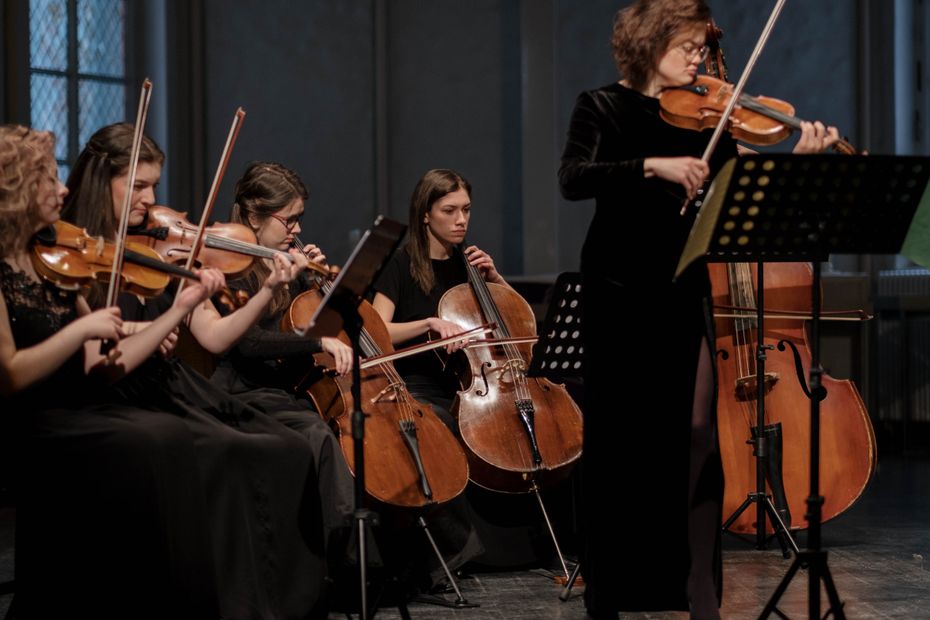
Introduction: Why a Strong Violin Community Matters
Music may be practiced individually, but meaningful musical growth rarely happens in complete isolation. Violinists develop through a combination of disciplined practice, expert instruction, thoughtful feedback, performance experience, and connection with people who understand the demands of the instrument. This is why joining a violin community for musicians can become such an important part of a player’s journey. Whether someone is learning how to hold the bow for the first time, preparing for an orchestral audition, teaching advanced students, repairing valuable instruments, or performing professionally, a supportive community can provide knowledge, encouragement, and valuable opportunities.
The violin is one of the most expressive and technically demanding instruments in the world. Progress requires patience, careful listening, and consistent attention to details such as intonation, bow control, posture, rhythm, shifting, vibrato, articulation, and musical interpretation. A musician practicing alone may encounter problems without knowing whether the cause is technical, physical, or musical. Within a violin community for musicians, players can discuss these challenges, learn from different perspectives, exchange practical ideas, and discover approaches that may improve both practice and performance.
Community is also valuable because every violinist follows a different path. Some musicians focus on classical repertoire, while others explore folk, jazz, contemporary, film, traditional, experimental, or crossover styles. Students may need help finding qualified teachers. Professionals may want to connect with other performers. Teachers may seek new educational ideas. Instrument owners may need reliable luthiers, repair specialists, bow experts, or music shops. A broad violin network can bring these different needs and experiences together in one shared environment.
Digital connection has expanded what a musical community can be. Geography no longer has to determine who musicians can meet, learn from, or exchange knowledge with. A violinist in one country can discuss practice strategies with a teacher elsewhere, discover an international event, explore professional directories, or learn from the experiences of players with different musical backgrounds. This wider exchange can encourage curiosity and help musicians see their own development from fresh perspectives.
Most importantly, a violin community for musicians creates a sense of shared purpose. Difficult practice sessions, performance anxiety, technical plateaus, instrument maintenance questions, and career uncertainty are familiar experiences across many levels of musicianship. When people can exchange useful information and support one another constructively, the violin journey becomes more connected, informed, and rewarding. For students, teachers, performers, luthiers, enthusiasts, and other string professionals, community can transform music from a solitary pursuit into a lasting network of learning and collaboration.
Build Meaningful Connections With Fellow Violinists
One of the strongest benefits of joining a violin community for musicians is the opportunity to build genuine relationships with people who share an interest in string music. These connections can cross boundaries of age, location, professional status, and experience level.
A beginner may learn from an experienced player’s practice habits. An advanced student may discover useful audition perspectives. A teacher may exchange pedagogical ideas with another educator. A performer may connect with musicians interested in ensembles or collaborative projects. Even casual discussions about repertoire, strings, bows, stage preparation, or interpretation can introduce valuable new perspectives.
Strong musical connections are not limited to career advancement. They can also provide motivation. Seeing other musicians work through difficult passages, prepare for performances, or return to the violin after a long break can encourage players to remain consistent with their own goals.
Learn Through Shared Knowledge and Experience
No single musician has every answer. The violin world includes different schools of technique, teaching traditions, performance practices, musical cultures, and professional experiences. A healthy violin community for musicians allows this knowledge to circulate.
Members may discuss subjects such as:
- Improving intonation and listening accuracy
- Developing smoother bow changes
- Choosing suitable repertoire
- Building effective practice routines
- Managing performance preparation
- Understanding strings and accessories
- Finding qualified teachers
- Locating experienced luthiers
- Preparing for auditions
- Exploring different musical styles
Shared experience can be especially useful because practical insight often complements formal instruction. A teacher may explain a technical principle, while another musician may describe how they successfully incorporated that principle into daily practice. Together, these perspectives can deepen understanding.
Find Teachers Who Match Your Musical Goals
The relationship between a violinist and teacher can significantly influence progress. However, not every teacher is suitable for every student. Learning goals, age, experience, preferred repertoire, schedule, communication style, and technical needs can all affect the choice.
A dedicated violin community for musicians can make the search more informed by helping players discover educators and understand different teaching approaches. A young beginner may need a patient instructor with strong foundational methods. An adult learner may prefer flexible lessons and practical repertoire. An advanced player may need specialized guidance for auditions, competitions, conservatory preparation, or professional performance.
The right teacher should do more than assign pieces. Effective instruction can help identify technical weaknesses, structure practice, develop musical independence, and establish realistic goals. Access to a broader musical network can make it easier for students to explore options instead of choosing without sufficient information.
Connect With Luthiers and String Instrument Professionals
A violinist’s progress depends not only on technique but also on the condition and setup of the instrument. Poorly fitted components, worn bow hair, bridge problems, slipping pegs, damaged seams, or unsuitable setup can affect comfort, response, tuning stability, and tone.
For this reason, a violin community for musicians should extend beyond players and teachers. Luthiers, bow specialists, repair professionals, makers, dealers, suppliers, and music shops all contribute to the broader string ecosystem.
Connecting with appropriate professionals can help musicians make better decisions about:
- Routine violin maintenance
- Bow rehairing
- Bridge and soundpost concerns
- Instrument setup
- Crack and seam repair
- Restoration
- Appraisal
- Accessory selection
- Instrument purchases
- Professional maintenance schedules
Musicians should avoid attempting complex structural repairs without appropriate expertise. Community connections can make it easier to identify the type of specialist needed for a particular instrument concern.
Discover Events, Workshops, and Performance Opportunities
Musical growth often accelerates when players move beyond private practice. Concerts, workshops, masterclasses, competitions, ensemble activities, and educational events can expose musicians to new ideas and performance standards.
A well-connected violin community for musicians can help members discover opportunities that might otherwise be difficult to find. Students may locate workshops suited to their level. Teachers may discover professional development events. Performers may find concerts or networking opportunities. Enthusiasts may attend events simply to deepen their appreciation of violin music.
Participation also creates momentum. A scheduled workshop or performance can give practice a clearer purpose. Musicians often work more intentionally when they have a specific musical goal ahead.
Receive Constructive Feedback and Fresh Perspectives
Musicians can become accustomed to their own playing. After repeating a passage many times, it may become difficult to notice recurring issues in rhythm, intonation, phrasing, articulation, or tone production.
Constructive feedback from teachers, peers, and experienced musicians can reveal details that self-practice misses. Within a respectful violin community for musicians, feedback should be specific, useful, and focused on improvement rather than comparison.
For example, instead of simply saying that a passage “sounds wrong,” meaningful feedback might identify an uneven bow distribution pattern, an unstable shift, rushed subdivisions, or inconsistent contact point. Specific observations give musicians something practical to address.
At the same time, players should evaluate advice carefully. Not every suggestion will suit every body type, technical approach, instrument, or musical objective. Community knowledge is most valuable when combined with thoughtful judgment and qualified teaching.
Stay Motivated During Difficult Stages of Learning
Violin progress is rarely linear. A musician may improve quickly for several weeks and then feel stuck. A new bowing technique may initially make playing less comfortable. A difficult piece may expose weaknesses that simpler repertoire concealed.
A violin community for musicians can help normalize these stages of development. Players can see that technical challenges are a common part of learning rather than unusual setbacks. Discussions with others may also introduce practical solutions, including slower practice, smaller goals, focused repetition, recording sessions, or changes in practice structure.
Community accountability can also support consistency. Sharing goals, participating in discussions, attending events, and learning alongside others can help musicians maintain engagement during demanding periods.
Expand Professional and Creative Opportunities
For teachers, performers, luthiers, makers, music shops, and other professionals, community participation can support visibility and collaboration. Professional relationships often begin through conversations, recommendations, shared events, educational exchanges, and mutual interests.
A specialized violin community for musicians can help professionals present their expertise to a relevant audience. Teachers may connect with prospective students. Luthiers may become more visible to instrument owners. Musicians may discover collaborators. Event organizers may reach interested participants.
The key is meaningful participation. Sustainable professional relationships are generally built through credibility, useful contributions, respectful communication, and consistent engagement rather than aggressive self-promotion.
Frequently Asked Questions About a Violin Community for Musicians
1. What is a violin community for musicians?
A violin community for musicians is a shared network where violinists, students, teachers, performers, enthusiasts, luthiers, and other string professionals can connect. Depending on the platform, members may exchange knowledge, discuss technique, discover teachers, explore professional directories, find events, and build relationships with others in the violin world.
2. Can beginners join a violin community?
Yes. Beginners can benefit greatly from community participation. They may learn about practice routines, posture, tuning, basic technique, teacher selection, instrument care, and suitable learning resources. A supportive community can also provide motivation during the early stages of learning, when progress sometimes feels slow or inconsistent.
3. How can professional violinists benefit from a music community?
Professional violinists may use a community to exchange ideas, discover events, build collaborations, connect with teachers or specialists, and maintain relationships across the string sector. They may also contribute valuable knowledge to younger musicians while learning from colleagues with different performance backgrounds and musical traditions.
4. Can a violin community help me find teachers or luthiers?
Yes. A specialized community may provide directories, recommendations, profiles, reviews, or discussions that help musicians research teachers and instrument professionals. Players should still evaluate qualifications, experience, specializations, location, communication style, and suitability before making a final decision.
5. Is an online violin community useful for musicians?
Yes. An online violin community for musicians can connect people across geographic boundaries. Musicians may exchange ideas, explore learning resources, discover events, discuss instruments, and connect with professionals worldwide. Online communities are especially useful for players who have limited access to a large local string-music network.
Conclusion: Grow Through Connection, Knowledge, and Music
Joining a violin community for musicians can enrich nearly every stage of the violin journey. Beginners can find encouragement and practical direction, students can explore educational opportunities, teachers can exchange ideas, professionals can build meaningful connections, and instrument owners can discover specialists who understand the needs of string instruments. The greatest value of community lies in bringing different forms of experience together.
Violin playing requires individual discipline, but individual practice does not need to mean isolation. Musicians grow through listening, questioning, observing, performing, discussing, and learning from others. A strong community creates more opportunities for those experiences to happen.
Whether your goal is to improve technique, find a teacher, connect with a luthier, discover events, exchange musical knowledge, or meet people who share your passion, the right network can provide a valuable starting point. By participating thoughtfully and remaining open to different perspectives, musicians can build stronger skills, wider relationships, and a deeper connection to the world of violin music.
Join a Global Violin Network and Move Your Musical Journey Forward
Your musical journey deserves more than scattered information and isolated searching. If you are ready to connect with people who understand the violin world, explore Violin Network and discover a dedicated space designed around violin enthusiasts, students, professionals, and the wider string community.
Whether you are searching for a teacher, looking for an experienced luthier, exploring music shops, interested in events, seeking useful discussions, or hoping to connect with people who share your musical interests, Violin Network brings multiple parts of the violin ecosystem into one accessible destination. The platform presents community resources alongside directories and opportunities for discovery, helping musicians explore connections relevant to their individual goals.
A strong violin community for musicians can make it easier to learn from others, exchange experience, discover professional expertise, and remain engaged with the wider world of string music. Students can broaden their learning environment. Teachers can strengthen their professional presence. Performers can explore new connections. Luthiers and string specialists can become more visible to musicians seeking their expertise. Enthusiasts can participate in a community built around a shared appreciation of the violin.
Do not allow geography or limited local contacts to restrict your musical connections. Visit Violin Network, explore its community and professional resources, and take a meaningful step toward a more connected violin journey. Join a growing violin community for musicians, share what you know, learn from diverse experiences, discover valuable opportunities, and become part of a network where passion for string music creates connections across borders.
Kommentare (0)
🔒 Bitte melden Sie sich an, um zu kommentieren
Bitte melden Sie sich an, um zu kommentieren💭 Noch keine Kommentare. Seien Sie der Erste, der kommentiert!