Introduction:
Explore the Exciting World of Violin Competitions and Events
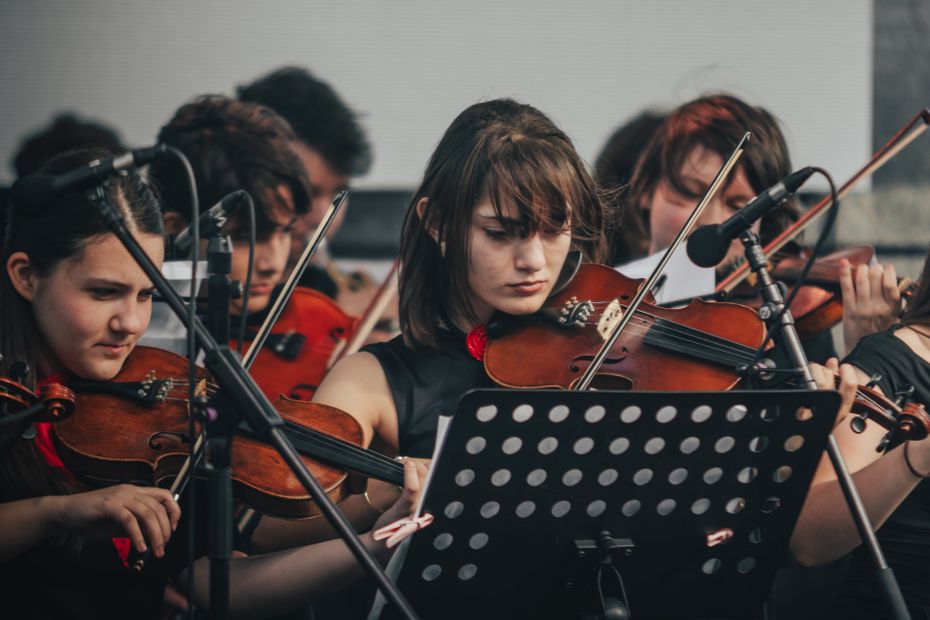
The violin world extends far beyond private lessons, daily scales, orchestra rehearsals, and individual practice sessions. For musicians who want to grow, connect, perform, and gain valuable experience, violin competitions and events offer an exciting pathway into the wider international music community. From local student contests and youth festivals to prestigious international competitions, public recitals, masterclasses, workshops, exhibitions, and networking gatherings, these opportunities bring violinists together around a shared passion for music. They allow performers to test their abilities, hear different interpretations, learn from respected professionals, and understand how their playing compares with broader artistic standards.
For young students, participation can create a meaningful goal that gives practice greater direction. Instead of working on a concerto, sonata, or showpiece without a clear deadline, a scheduled competition or performance encourages structured preparation. Players must think carefully about intonation, rhythm, tone production, bow control, phrasing, stage presence, and musical communication. This process can strengthen discipline and reveal technical weaknesses that may otherwise remain unnoticed. Even when a participant does not win a prize, the preparation itself can become an important part of long-term musical development.
Professional and advanced musicians can also benefit from violin competitions and events. Major competitions may offer recognition, performance opportunities, career exposure, networking possibilities, and contact with influential figures in the classical music world. Festivals and masterclasses create different advantages by placing musicians in environments where they can exchange ideas, receive expert guidance, and discover new approaches to repertoire. Teachers, parents, luthiers, music organizations, and violin enthusiasts can benefit as well because events often provide opportunities to observe emerging talent and engage with the wider string community.
However, choosing the right opportunity requires thoughtful research. Age limits, repertoire requirements, application deadlines, video audition rules, entry fees, travel expectations, and judging formats can vary considerably. A beginner-level student should not approach event selection in the same way as a conservatory applicant or professional soloist. The most suitable opportunity is one that matches the musician’s current ability, goals, available preparation time, and personal circumstances.
Understanding violin competitions and events therefore involves more than searching for the biggest or most prestigious name. Musicians need to evaluate each opportunity carefully, prepare strategically, and use every experience as a chance to improve. Whether the goal is winning an award, performing before an audience, attending a masterclass, meeting other players, or simply becoming more confident on stage, the right event can become a powerful milestone in a violinist’s journey.
Why Violin Competitions and Events Matter for Musical Growth
Participating in violin competitions and events can transform practice from a routine activity into focused preparation with a clear objective. When violinists know that they will perform before judges, teachers, peers, or an audience, they often become more attentive to details that are easy to overlook during ordinary practice.
Musicians may begin listening more carefully for clean shifts, accurate intonation, balanced bow distribution, rhythmic stability, articulation, dynamics, and expressive phrasing. A fixed performance date also encourages better planning. Instead of repeatedly playing through a piece from beginning to end, serious preparation usually involves dividing the repertoire into manageable sections and solving specific technical problems.
These experiences also teach emotional control. Stage nerves are common among musicians of every level. Regular exposure to auditions, recitals, festivals, and competitions can help performers understand their own reactions under pressure and develop more reliable pre-performance routines.
Different Types of Violin Opportunities to Explore
The phrase violin competitions and events covers a broad range of musical experiences. Understanding these categories makes it easier to identify opportunities that fit individual goals.
Local and Regional Competitions
Local competitions are often suitable for students who are gaining their first experience of formal performance. These events may be organized by music schools, cultural associations, educational institutions, orchestras, or community organizations.
They can provide a manageable introduction to competition because travel requirements may be limited and the overall environment may feel more accessible than a major international contest.
National Violin Competitions
National competitions generally attract stronger fields of participants and may involve stricter repertoire requirements. Some include preliminary video auditions followed by live rounds. Others divide participants according to age, educational level, or performance category.
For ambitious students, these contests can provide valuable exposure to higher performance standards.
International Competitions
International contests may attract highly accomplished musicians from multiple countries. The repertoire can be demanding, often requiring contrasting works, concertos, sonatas, virtuoso pieces, and sometimes contemporary compositions.
These opportunities require serious preparation. Applicants should study eligibility requirements, deadlines, travel costs, accompanist arrangements, and official rules before committing.
Festivals, Workshops, and Masterclasses
Not every important event is competitive. Festivals, workshops, and masterclasses can be equally valuable because they emphasize learning, artistic exchange, and professional development.
A masterclass can expose a violinist to new ideas about technique, interpretation, sound, and performance. Workshops may focus on bowing, chamber music, orchestral preparation, improvisation, historical performance, or injury-aware practice habits.
How to Choose the Right Competition or Event
Selecting suitable violin competitions and events should begin with an honest assessment of the player’s current level. Prestige alone should never be the only deciding factor.
Before applying, examine the following points:
- Age and eligibility requirements
- Required repertoire
- Application and performance deadlines
- Live or recorded audition format
- Entry and registration fees
- Travel and accommodation costs
- Accompanist requirements
- Judging procedures
- Prizes or performance opportunities
- Cancellation and refund policies
The repertoire deserves special attention. A competition may appear attractive, but if the required works are far beyond the musician’s present level, rushed preparation can create unnecessary stress and reinforce poor technical habits.
Teachers can play an important role in this decision. An experienced instructor can often determine whether a particular opportunity offers a healthy challenge or an unrealistic burden.
Preparing Successfully for Violin Competitions and Events
Strong preparation begins early. Waiting until the final weeks can lead to tension, inconsistent playing, and excessive repetition. A better strategy is to create a preparation timeline.
During the early stage, focus on learning notes accurately, establishing reliable fingering, planning bowings, and understanding the musical structure. During the middle stage, refine tone, phrasing, transitions, shifts, articulation, and tempo. In the final stage, prioritize complete performance runs and simulated pressure.
Recording practice sessions is especially useful. A violinist may not notice uneven rhythm, unclear articulation, rushed passages, or weak projection while actively playing. Listening to a recording provides a different perspective.
Mock performances are equally valuable. Perform the complete program for a teacher, family member, small group, or camera without stopping after mistakes. This develops recovery skills and helps the player become comfortable with the uninterrupted nature of live performance.
Building Confidence Before Going on Stage
Confidence is not simply a personality trait. It often develops through preparation, repetition, and familiarity with performance conditions.
Before important violin competitions and events, players should practice starting each piece without a long warm-up. This matters because performers may not always have ideal backstage conditions. It is also useful to rehearse entrances, tuning, pauses between pieces, and the physical act of walking onto a stage.
Mental preparation matters too. Instead of concentrating only on avoiding mistakes, performers can focus on communicating the character of the music. A technically accurate performance may still feel unconvincing if it lacks direction, contrast, and expressive intention.
Learning from Results and Feedback
One of the most valuable aspects of violin competitions and events is the opportunity to evaluate progress. Awards are meaningful, but they should not become the only measure of success.
Judging inevitably contains an element of artistic interpretation. Different jurors may value different qualities, including sound, style, technical precision, individuality, or musical maturity. Therefore, one result does not define a violinist’s potential.
When written or verbal feedback is available, review it carefully. Look for repeated observations. If several professionals identify similar concerns about intonation, rhythm, projection, or phrasing, those comments may reveal useful priorities for future practice.
Networking and Community Benefits
Events create connections that ordinary individual practice cannot provide. Violinists can meet other students, teachers, performers, accompanists, organizers, instrument professionals, and music enthusiasts.
These relationships may lead to future collaborations, chamber music opportunities, educational recommendations, or simply supportive friendships. Listening to other performers is also educational. A participant can observe different approaches to sound production, stage presence, repertoire, and interpretation.
For this reason, musicians should avoid viewing every participant only as a rival. The wider violin community grows through shared knowledge, artistic exchange, and mutual encouragement.
Frequently Asked Questions About Violin Competitions and Events
1. How can I find suitable violin competitions?
Start by checking established violin communities, music schools, conservatories, festival calendars, teacher recommendations, and dedicated event directories. Always confirm eligibility rules, deadlines, repertoire requirements, and official application procedures before applying.
2. Are violin competitions suitable for beginners?
Yes, some competitions are specifically designed for beginners, children, or early-stage students. The key is choosing an age-appropriate and level-appropriate opportunity. A supportive local event may be more beneficial than an advanced competition with unrealistic repertoire demands.
3. How early should I prepare for a violin competition?
Preparation time depends on the difficulty and length of the repertoire. In many cases, several months of structured preparation is preferable. Advanced programs may require substantially longer, especially when multiple contrasting works must be performed from memory.
4. What should I do if I feel nervous before performing?
Use mock performances, controlled breathing, reliable warm-up routines, and repeated full-program runs. Familiarity with pressure can reduce uncertainty. Focus on musical communication rather than trying to guarantee a completely mistake-free performance.
5. Is participating worthwhile if I do not win?
Absolutely. Participation can improve discipline, stage experience, self-awareness, resilience, and musical understanding. Feedback and exposure to other performers may provide long-term value that extends beyond prizes or rankings.
Conclusion: Turn Every Event into a Musical Milestone
Exploring violin competitions and events can open valuable doors for students, emerging performers, teachers, professionals, and passionate enthusiasts. These opportunities encourage musicians to prepare with greater purpose, strengthen technical reliability, develop stage confidence, and experience the broader violin community. Competitions can challenge players to reach higher standards, while festivals, workshops, concerts, and masterclasses can create meaningful spaces for education, inspiration, and collaboration.
The most important factor is choosing opportunities carefully. Musicians should evaluate their current ability, repertoire readiness, schedule, budget, and long-term goals before applying. A suitable event should encourage progress without creating unnecessary pressure or forcing rushed preparation. Results also need perspective. Winning can be rewarding, but every performance offers information about strengths, weaknesses, and future priorities.
Ultimately, violin competitions and events are most valuable when musicians treat them as part of an ongoing artistic journey. Each stage appearance, audition, workshop, and shared musical experience can contribute to greater confidence, deeper understanding, and lasting growth.
Discover More Opportunities with Violin Network
Finding relevant violin competitions and events can be challenging when information is scattered across different websites, organizations, countries, and music communities. Violin Network offers a dedicated space for violin enthusiasts, students, teachers, professionals, and other members of the string community to connect and explore useful opportunities.
Whether you are searching for competitions, concerts, workshops, masterclasses, festivals, or broader community activities, Violin Network can help you stay connected with the dynamic world of violin music. Its event resources are designed to make discovery easier while supporting musicians who want to participate, learn, perform, network, and grow. The platform’s events area includes categories such as competitions, festivals, workshops, concerts, and other violin-related gatherings, helping users explore opportunities according to their interests.
Do not allow a valuable opportunity to pass simply because you discovered it too late. Make event research part of your musical routine, review requirements carefully, prepare strategically, and connect with people who share your passion for the violin.
Visit Violin Network today to explore violin competitions and events, discover community resources, connect with fellow musicians, and take a more active role in your musical development. Whether you are preparing for your first public performance or seeking broader professional connections, the right opportunity may become an important next chapter in your violin journey.
Kommentare (0)
🔒 Bitte melden Sie sich an, um zu kommentieren
Bitte melden Sie sich an, um zu kommentieren💭 Noch keine Kommentare. Seien Sie der Erste, der kommentiert!