Introduction:
Build Your Musical Foundation with Violin Sheet Music for Beginners
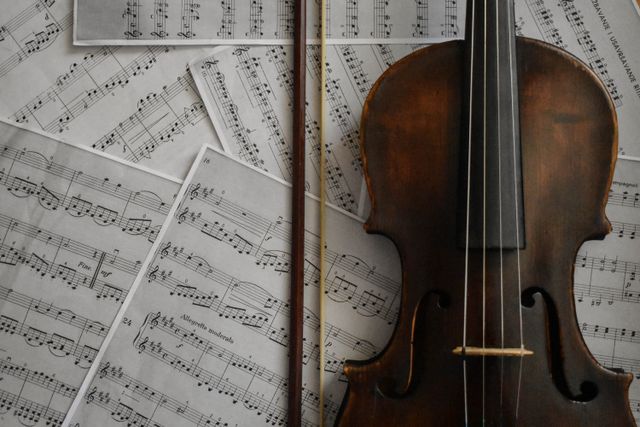
Learning the violin is an exciting musical journey, but many new players quickly discover that producing a beautiful sound is only one part of becoming a confident musician. Understanding written music is equally important. This is where violin sheet music for beginners becomes a valuable learning resource. Beginner-friendly sheet music introduces essential musical concepts in a clear, manageable format, allowing students to connect the notes they see on a page with the sounds they create on their instrument.
For a new violinist, standard musical notation can initially appear complicated. The staff, treble clef, note names, rhythm values, rests, time signatures, key signatures, bowing marks, and dynamic symbols may seem like a completely new language. However, carefully selected violin sheet music for beginners simplifies the learning process by introducing these elements gradually. Instead of confronting advanced compositions filled with difficult techniques, students can begin with short melodies, familiar songs, simple rhythms, and comfortable note patterns.
One of the greatest advantages of beginner sheet music is that it gives practice a clear sense of direction. Playing random notes can help a student become familiar with the instrument, but structured music develops broader skills. Beginners learn how to follow rhythm, recognize pitches, maintain a steady tempo, coordinate bow movement with left-hand fingering, and understand how a complete melody is organized. These abilities create a strong foundation for future progress.
Another important benefit of violin sheet music for beginners is motivation. Familiar melodies can make practice more enjoyable because students often recognize when they are playing correctly. Simple folk songs, traditional tunes, children’s melodies, classical themes, and carefully arranged popular pieces can provide achievable goals. Each completed piece gives the learner a sense of progress and encourages continued practice.
Beginner sheet music also supports independent learning. Although guidance from an experienced teacher is extremely valuable, students who understand basic notation can explore new pieces between lessons and develop stronger musical confidence. They become less dependent on imitation and more capable of interpreting music directly from the page.
Choosing suitable music is essential. A piece that is too difficult may cause frustration, poor posture, tense bowing, and inaccurate fingering. In contrast, music that matches the learner’s current ability promotes steady improvement. The best violin sheet music for beginners combines simplicity with enough challenge to develop new skills. By starting with accessible notation and progressing gradually, aspiring violinists can build reading ability, technical control, musical expression, and lasting enthusiasm for the instrument.
Why Violin Sheet Music for Beginners Matters
Sheet music provides a structured roadmap for learning the violin. It tells the player which notes to perform, how long to hold them, when to pause, and how the music should be expressed. Without basic music-reading skills, beginners may rely entirely on memory, recordings, or visual imitation.
Using violin sheet music for beginners helps students understand the relationship between written notation and physical movement. When a learner sees a note on the staff, they gradually learn which string to use and where to place the correct finger. With regular repetition, this process becomes faster and more natural.
Sheet music also encourages disciplined practice. Instead of playing without a clear objective, students can work through specific measures, phrases, and complete pieces. This makes progress easier to observe and evaluate.
Start by Understanding the Treble Clef
Violin music is generally written in the treble clef. Therefore, one of the first tasks for any beginner is learning how notes are positioned on the five-line staff.
The spaces of the treble clef represent:
- F
- A
- C
- E
The lines represent:
- E
- G
- B
- D
- F
Beginners do not need to memorize every note immediately. It is often more effective to learn notes alongside practical violin playing. Start with open strings—G, D, A, and E—and gradually add fingered notes.
Good violin sheet music for beginners usually introduces a limited range of notes first. This prevents information overload and helps students develop accurate note recognition through repetition.
Learn Rhythm Before Attempting Difficult Melodies
Reading pitch is only one part of understanding sheet music. Rhythm determines when notes occur and how long they last. Beginners should become familiar with basic note values, including whole notes, half notes, quarter notes, and eighth notes.
Rests are equally important because silence is part of musical structure. A student who recognizes the correct notes but ignores rhythm will struggle to play a melody accurately.
When practicing beginner sheet music, count aloud before using the bow. For example, clap the rhythm or tap a steady beat with your hand. Once the rhythmic pattern feels comfortable, play it on the violin.
This method reduces the difficulty of trying to manage pitch, fingering, bowing, and rhythm simultaneously.
Choose Easy and Familiar Songs
Familiar melodies are excellent choices for new violinists. When students already know how a song should sound, they can identify incorrect notes and rhythms more easily.
Popular beginner selections often include traditional tunes, folk melodies, nursery songs, holiday pieces, and simplified classical themes. Suitable music generally features:
- Short musical phrases
- Limited note ranges
- Repeated rhythmic patterns
- Simple time signatures
- Few accidentals
- Comfortable first-position fingering
The best violin sheet music for beginners should feel achievable while still offering opportunities to improve. A piece does not need to be technically impressive to be educational.
Practice One Small Section at a Time
Many beginners make the mistake of playing an entire piece repeatedly from beginning to end. Although repetition is useful, constantly restarting a song may not correct specific weaknesses.
A better method is to divide the music into smaller sections. Practice two to four measures slowly. Identify difficult note changes, awkward string crossings, or challenging rhythmic patterns. Repeat the section until it becomes comfortable, then move forward.
This focused approach is especially effective when working with violin sheet music for beginners because it develops accuracy before speed. Students should aim for clean notes, relaxed movements, and steady rhythm rather than rushing.
Use Finger Numbers as Temporary Support
Some beginner violin music includes finger numbers above or below notes. These markings can be extremely helpful during the early stages of learning.
In first position, the fingers are generally identified as:
- 0 for an open string
- 1 for the index finger
- 2 for the middle finger
- 3 for the ring finger
- 4 for the little finger
However, beginners should avoid becoming permanently dependent on finger numbers. The long-term goal is to recognize written notes directly. Finger markings should function as temporary guidance rather than a replacement for music-reading skills.
Pay Attention to Bowing Symbols
Effective violin playing requires more than pressing the correct notes. Bow direction and articulation strongly influence sound quality.
Beginner sheet music may include symbols for up-bow and down-bow. Students should learn these markings early because consistent bowing helps organize musical phrases and improve physical coordination.
When reading violin sheet music for beginners, examine the music before playing. Look for bowing instructions, slurs, repeated notes, dynamics, and other performance markings. This short preparation can prevent unnecessary mistakes.
Practice Slowly with a Steady Tempo
Speed should never be the first goal. Playing too quickly often creates inaccurate notes, poor intonation, uncontrolled bowing, and unnecessary tension.
Begin at a tempo where every note can be played comfortably. A metronome can help maintain a consistent beat. Once the piece becomes accurate, increase the tempo gradually.
Slow practice gives the brain enough time to connect written notes with finger placement and bow movement. Over time, these connections become automatic.
Develop Sight-Reading Skills Regularly
Sight-reading means playing music that you have not previously practiced. It is an essential skill for students who want to join ensembles, orchestras, school groups, or collaborative performances.
Choose very easy violin sheet music for beginners for sight-reading practice. The material should be slightly below your normal performance level. Before playing, examine the key signature, time signature, first note, rhythm patterns, and any unusual markings.
Try to continue even after a small mistake. Sight-reading develops the ability to maintain musical flow instead of stopping after every error.
Combine Sheet Music with Listening
Reading and listening should support each other. If a recording of the beginner piece is available, listen carefully before or after practicing.
Pay attention to:
- Tempo
- Rhythm
- Phrasing
- Dynamics
- Articulation
- Overall musical character
However, avoid relying exclusively on recordings. The purpose of violin sheet music for beginners is to strengthen independent reading skills. Use listening as a reference while continuing to study the written notation.
Create a Consistent Practice Routine
Regular practice is more effective than occasional long sessions. A beginner might divide a practice session into several focused activities, such as tuning, open-string bowing, scales, note reading, rhythm exercises, sheet music practice, and enjoyable review pieces.
Even 20 to 30 minutes of focused daily practice can produce meaningful improvement. Consistency helps reinforce note recognition, muscle memory, bow control, and musical confidence.
Keep a simple practice record and note which sections require additional work. This creates accountability and makes improvement easier to measure.
Frequently Asked Questions About Violin Sheet Music for Beginners
1. What is the easiest violin sheet music for a beginner?
The easiest music usually contains simple rhythms, a limited number of notes, first-position fingering, and familiar melodies. Traditional songs and short folk tunes are often excellent starting points because beginners can recognize the melody and identify mistakes more easily.
2. Do I need to read music before learning violin?
No. Many students begin violin lessons without previous music-reading experience. However, learning notation alongside practical playing is highly beneficial. Beginner-friendly sheet music can gradually introduce notes, rhythms, rests, and performance symbols.
3. How long does it take to read violin sheet music?
The timeline varies according to practice frequency, previous musical experience, age, and learning method. Many beginners can recognize basic notes within several weeks, but fluent reading develops gradually through consistent practice.
4. Should beginners use finger numbers on sheet music?
Finger numbers can be useful during the early learning stage because they help connect written notes with left-hand placement. However, students should gradually reduce their dependence on them and learn to identify notes directly from the staff.
5. Can I learn violin using sheet music without a teacher?
Independent learning is possible, especially with quality resources, but professional instruction can help prevent incorrect posture, poor bow technique, inaccurate finger placement, and inefficient practice habits. A combination of good sheet music, regular listening, structured practice, and expert guidance is often most effective.
Conclusion: Make Steady Progress Through Beginner-Friendly Music
Learning to read music is one of the most valuable skills a new violinist can develop. The right violin sheet music for beginners transforms practice into a structured, measurable, and rewarding process. Instead of guessing which notes to play, students learn to understand pitch, rhythm, timing, bowing, dynamics, and musical expression directly from the written page.
Progress should remain gradual. Begin with open strings, basic note values, simple melodies, and short practice sections. As confidence grows, introduce more notes, varied rhythms, new key signatures, and increasingly challenging pieces. Consistent slow practice is far more productive than rushing through difficult music.
Most importantly, choose pieces that maintain enthusiasm. Beginner music should educate without removing the enjoyment of playing. With suitable materials, regular practice, careful listening, and patient skill development, students can build strong reading habits that support future advancement. Quality violin sheet music for beginners can become a reliable bridge between basic technique and confident musical performance.
Start Your Violin Journey with Trusted Guidance and Resources
Finding the right learning materials can make a significant difference in how quickly and confidently you progress. Whether you are picking up the violin for the first time, helping a child begin lessons, returning to music after a long break, or searching for better ways to strengthen your reading skills, access to dependable guidance matters. The right violin sheet music for beginners can help you move from basic note recognition to complete melodies while developing rhythm, coordination, bow control, and musical understanding.
Explore Violin Network to discover a dedicated destination for violin learners, musicians, teachers, and enthusiasts. Expand your knowledge, strengthen your practice routine, and connect with information designed around the world of violin playing.
Do not allow confusing notation or unsuitable learning materials to slow your progress. Use violin sheet music for beginners that matches your current ability, practice with a clear purpose, and continue building your skills one piece at a time. A strong musical foundation begins with informed learning, consistent practice, and access to the right violin-focused resources.
Visit Violin Network today and take the next meaningful step toward becoming a more confident, capable, and expressive violinist.
评论 (0)
🔒 请登录后评论
请登录后评论💭 暂无评论. 成为第一个评论的人!