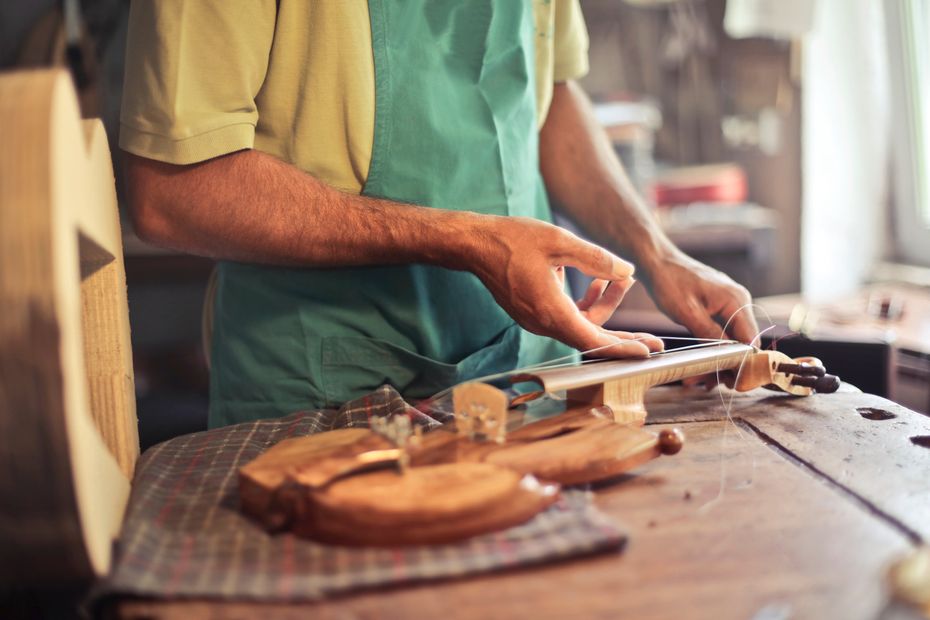
Introduction: Understanding Professional Violin Repair and Restoration
A violin is far more than a musical instrument. It is a carefully engineered combination of selected tonewoods, precise craftsmanship, delicate fittings, and acoustic balance. Whether you own a beginner instrument, a professional violin, a family heirloom, or an older instrument with historical significance, proper care can make a substantial difference in its sound, playability, appearance, and longevity. This violin repair and restoration guide is designed to help players, teachers, collectors, students, and violin owners understand how common problems develop, when professional attention is necessary, and why skilled restoration should never be treated as ordinary household repair work.
Violins are highly responsive to environmental conditions. Changes in humidity and temperature can affect wood movement, seams, bridges, pegs, fingerboards, and other components. Daily playing also creates gradual wear. Bow contact may damage edges over time, perspiration can affect varnish, rosin dust can accumulate on the top plate, and repeated tuning places stress on pegs and strings. Some problems appear suddenly, such as an open seam or broken bridge, while others develop slowly and may remain unnoticed until tone quality or playing comfort begins to decline. Following a reliable violin repair and restoration guide helps owners identify warning signs before minor concerns become more complicated.
Repair and restoration are related but not identical. Violin repair generally focuses on correcting a specific functional issue. Examples include replacing a broken string, adjusting slipping pegs, correcting bridge position, repairing an open seam, addressing a loose fingerboard, or resolving setup problems. Restoration usually involves broader and more specialized work intended to preserve an older, damaged, or historically important instrument. It may include structural stabilization, crack repair, edge reconstruction, careful cleaning, retouching, neck correction, or conservation-oriented treatment.
The quality of workmanship matters greatly because every component contributes to the instrument’s performance. A bridge that is poorly fitted may affect response and tonal balance. Incorrect glue can complicate future repairs. Excessive sanding may permanently remove original material. Aggressive varnish treatment can reduce both visual character and potential value. For these reasons, professional assessment is often the safest approach for structural or complex problems.
An effective violin repair and restoration guide should also emphasize prevention. Regular inspection, appropriate storage, controlled humidity, careful cleaning, and timely maintenance can reduce avoidable damage. By understanding the difference between routine upkeep and specialized restoration, violin owners can make informed decisions that protect their instruments while supporting consistent musical performance for years to come.
Recognize Common Violin Problems Early
One of the most important principles in any violin repair and restoration guide is early detection. Small problems often become more difficult when ignored. Players should regularly examine their instruments under good lighting and pay attention to unusual sounds, visible movement, or changes in playing response.
Common warning signs include:
- Buzzing or rattling during specific notes
- Visible cracks in the top, back, ribs, or pegbox
- Open seams around plate edges
- A bridge that appears warped or tilted
- Pegs that repeatedly slip or stick
- Strings sitting too high or too low
- Loose fittings or tailpiece components
- Sudden changes in tone or projection
- Fingerboard irregularities
- Unusual neck movement
A buzz does not automatically mean the violin has a serious structural defect. It may result from a loose fine tuner, an open seam, a string problem, or another setup issue. However, guessing can lead to unnecessary intervention. A qualified violin professional can inspect the entire instrument and identify the actual cause.
Understand the Difference Between Repair and Restoration
Repair usually addresses a defined problem that affects function, safety, or playability. Restoration is often more comprehensive and may require extensive knowledge of traditional construction methods, historical materials, varnish characteristics, and conservation principles.
For example, replacing worn strings is routine maintenance. Regluing an open seam is a repair. Stabilizing multiple old cracks while preserving original wood and varnish is restoration. Reconstructing a damaged edge or correcting previous inappropriate work may also fall under restoration.
A detailed violin repair and restoration guide should make this distinction clear because restoration decisions can influence authenticity, appearance, acoustic behavior, and market value. Older instruments should therefore be evaluated carefully before substantial work begins.
Check Cracks and Open Seams Promptly
Cracks are among the most concerning forms of violin damage. They can develop because of impact, dryness, pressure, previous repairs, or natural wood movement. Their seriousness depends on location, length, condition, and relationship to important structural areas.
An open seam occurs when the glued joint between a plate and the ribs separates. Players may notice a faint buzzing sound or visible gap. While an open seam can sometimes be relatively straightforward for a trained professional to correct, delaying treatment may allow movement, contamination, or further stress.
Never use household superglue, construction adhesive, epoxy, or general woodworking glue on a violin. Traditional violin construction often relies on repair-compatible methods that allow future professional intervention. Inappropriate adhesives may penetrate wood, damage varnish, complicate restoration, and increase future repair difficulty.
Inspect the Bridge for Warping and Misalignment
The bridge is essential to string support and vibration transfer. It is not permanently glued to the violin; string tension holds it in position. Because of this, repeated tuning can gradually pull the bridge forward and contribute to warping.
A healthy bridge should be professionally fitted to match the instrument. Its feet need appropriate contact with the top plate, and its dimensions must suit the violin’s setup. Warning signs include:
- Visible leaning
- Curved or warped appearance
- Poor foot contact
- Deep string grooves
- Cracks in the bridge
- Uneven string height
Bridge adjustment is delicate. Applying force without understanding the setup can cause the bridge to fall and may create additional risk. A luthier can determine whether adjustment, reshaping, or replacement is appropriate.
Maintain Pegs, Fingerboard, and Nut
Pegs should turn smoothly while holding tuning securely. Persistent slipping may result from poor fit, wear, environmental changes, or incorrect contact inside the pegbox. Sticking pegs can also create problems because excessive force may stress the pegbox.
The fingerboard influences comfort, intonation, and string clearance. Over time, repeated playing can create grooves or uneven wear. In some cases, professional resurfacing may restore proper geometry. Severe wear may require more extensive work.
The nut, located near the scroll end of the fingerboard, controls string spacing and contributes to string height. Grooves that are too deep, too shallow, too narrow, or too wide may affect tuning and playability. These small setup details can significantly influence the overall playing experience.
Protect the Varnish During Restoration
Varnish contributes to a violin’s visual identity and may be important to its historical integrity. Cleaning or polishing should therefore be approached cautiously. Rosin buildup, perspiration, dirt, and inappropriate commercial products can affect the surface.
Avoid furniture polish, alcohol-based cleaners, abrasive compounds, household solvents, and unknown oils. Some violin varnishes are extremely sensitive, and even brief exposure to an unsuitable substance may cause irreversible damage.
Routine care should focus on gently wiping fresh rosin dust from the instrument with a clean, soft, dry cloth after playing. Older buildup or suspicious surface changes should be examined professionally. A responsible violin repair and restoration guide prioritizes preservation rather than making an old violin look artificially new.
Control Humidity and Temperature
Environmental management is one of the best preventive strategies. Wood naturally responds to moisture levels in the air. Excessively dry conditions may increase the risk of cracks, shrinking, or seam movement. Excessive humidity may contribute to swelling, instability, and other complications.
Keep the violin away from:
- Direct sunlight
- Radiators and heaters
- Air-conditioning vents
- Hot vehicles
- Damp storage areas
- Rapid temperature changes
A stable environment is generally preferable to repeated extremes. Players living in regions with major seasonal changes should pay particular attention to case conditions and seek professional advice about appropriate humidity management.
Know Which Repairs Require a Professional
Some basic owner maintenance is reasonable, such as replacing strings carefully, wiping away fresh rosin dust, and checking the instrument visually. Structural work should be left to trained professionals.
Professional attention is advisable for:
- Cracks
- Open seams
- Soundpost concerns
- Broken or warped bridges
- Neck problems
- Pegbox damage
- Major varnish issues
- Loose fingerboards
- Significant impact damage
- Extensive restoration
- Valuable antique instruments
The soundpost deserves particular caution. It stands inside the violin without glue and plays an important structural and acoustic role. Attempting to reposition it without specialized tools and experience can damage the instrument.
Document the Instrument Before Major Restoration
For valuable, antique, or historically interesting violins, documentation can be extremely useful. Before major restoration, consider maintaining clear photographs of the front, back, ribs, scroll, corners, varnish wear, labels, cracks, and previous repairs.
Professional documentation may help owners understand what work was completed and why. Detailed records can also support future maintenance, insurance discussions, provenance research, and communication with subsequent specialists.
Frequently Asked Questions
1. How often should a violin be professionally inspected?
The ideal frequency depends on playing intensity, instrument condition, climate, age, and value. Regular players may benefit from periodic professional checkups, especially when they notice tonal changes, buzzing, bridge movement, peg problems, or visible damage. Early assessment can prevent minor issues from becoming more extensive.
2. Can I repair a violin crack at home?
Home crack repair is generally not recommended. Crack treatment may require careful alignment, cleaning, specialized adhesive techniques, controlled clamping, and sometimes internal reinforcement. Incorrect repair can permanently damage wood and complicate future restoration. A qualified luthier should assess significant cracks.
3. How do I know if my violin bridge needs replacement?
A bridge may need attention if it is badly warped, cracked, poorly fitted, excessively worn, or unable to maintain appropriate string height. Not every leaning bridge requires replacement; some can be professionally corrected. An expert inspection is the safest way to determine the appropriate solution.
4. Is violin restoration worth the cost?
That depends on the instrument’s quality, condition, sentimental importance, historical interest, repair requirements, and potential value. A professional assessment can help compare restoration costs with realistic benefits. Sentimental instruments may justify work even when financial value is limited.
5. What should I avoid when cleaning an old violin?
Avoid alcohol, furniture polish, household cleaners, abrasive cloths, strong solvents, and unidentified oils. Old varnish can be highly sensitive. For routine care, use a clean, soft, dry cloth to remove fresh rosin dust. Professional advice is recommended for hardened buildup or significant surface contamination.
Conclusion: Preserve Your Violin with Knowledgeable Care
A violin can provide decades or even generations of musical value when it receives appropriate attention. The purpose of this violin repair and restoration guide is to help owners recognize that preservation begins long before major damage occurs. Regular observation, careful cleaning, stable storage conditions, responsible string changes, and timely professional assessment all contribute to the instrument’s long-term health.
Minor warning signs should not be ignored. A small buzz may indicate a loose component or open seam. A leaning bridge may gradually warp. Dry conditions can increase stress on vulnerable wood, while inappropriate cleaning products may damage sensitive varnish. Addressing concerns early can reduce the likelihood of more extensive intervention.
Most importantly, owners should understand the limits of DIY repair. Violins are precision instruments, and seemingly simple structural work can affect sound, stability, originality, and value. By combining preventive maintenance with skilled professional care when necessary, musicians can protect both the functional and artistic qualities of their instruments. A thoughtful approach ensures that each violin remains responsive, reliable, visually respected, and ready to continue its musical journey.
Connect with the Violin Community and Find Valuable Resources
Caring for an instrument becomes easier when you have access to useful information, experienced perspectives, and a community that understands the unique needs of string players. If this violin repair and restoration guide has helped you identify maintenance priorities or recognize when professional attention may be necessary, take the next step by exploring Violin Network.
Violin Network is a valuable destination for people who want to deepen their understanding of violins, connect with the broader string-instrument world, and discover relevant information for players, enthusiasts, professionals, and others involved in the violin community. Whether you are learning how to care for your first instrument, researching repair considerations, exploring violin-related opportunities, or seeking meaningful industry connections, the platform can support your journey.
Do not wait until a minor concern develops into expensive or irreversible damage. Build your knowledge, make informed decisions, and stay connected with people who share your interest in violin craftsmanship and performance. Visit Violin Network today and explore resources that can help you approach instrument ownership with greater confidence.
Discover more at Violin Network and use this violin repair and restoration guide as the beginning of a smarter, more informed approach to protecting the sound, craftsmanship, character, and future of your instrument.
评论 (0)
🔒 请登录后评论
请登录后评论💭 暂无评论. 成为第一个评论的人!