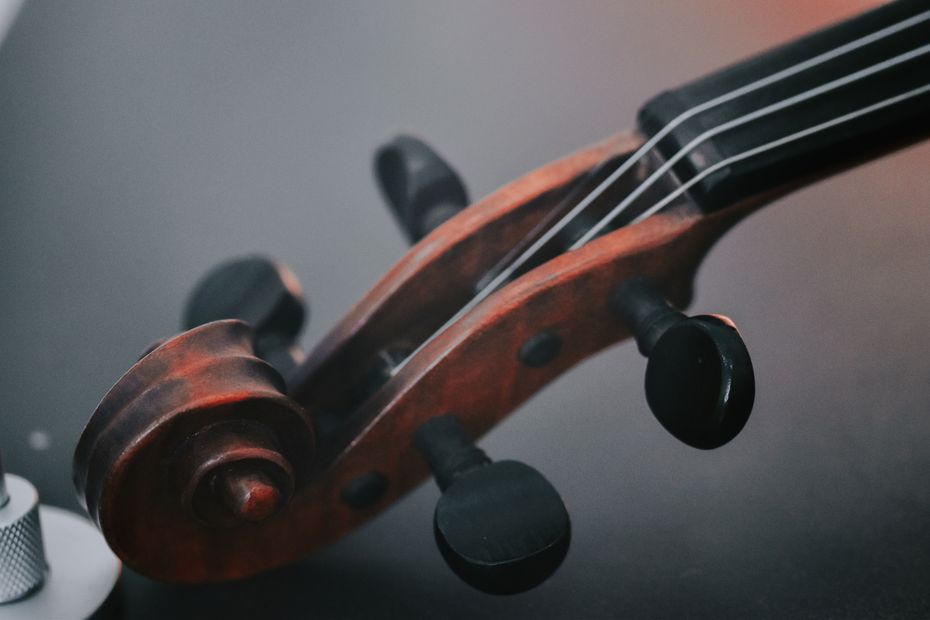
Introduction: Building a Beautiful and Consistent Violin Sound
Learning how to improve violin tone is one of the most important goals for any violinist, whether you are a complete beginner, an advancing student, or an experienced player refining your musical expression. A beautiful violin tone does not appear automatically simply because you own a high-quality instrument. It develops through careful listening, correct technique, consistent practice, proper instrument setup, and an understanding of how the bow interacts with the strings. Even a modest student violin can produce a warm and pleasing sound when played with control, while an expensive instrument may sound harsh, weak, or uneven if basic tone-production techniques are neglected.
The violin is particularly sensitive to small physical adjustments. A slight change in bow pressure, bow speed, contact point, wrist flexibility, or instrument position can immediately alter the quality of the sound. This sensitivity is one reason many beginners struggle with squeaks, scratches, thin notes, inconsistent volume, or an unpleasant metallic tone. These problems can be frustrating, but they also provide useful feedback. Each unwanted sound points toward an area of technique that can be examined and improved. Developing a better tone therefore requires patience, awareness, and focused repetition rather than simply playing pieces from beginning to end.
Understanding how to improve violin tone begins with recognizing the relationship between the player, bow, strings, and instrument. The bow must travel smoothly and generally remain parallel to the bridge. The right hand should guide the bow without excessive tension, while the left hand must stop notes accurately and cleanly. At the same time, the player must learn to control bow speed and weight according to the musical phrase. Too much pressure can create a crushed or scratchy sound, whereas insufficient contact may produce a weak and airy tone.
Regular maintenance also plays a major role in sound quality. Old strings, excessive rosin buildup, poorly fitted bridges, worn bow hair, and incorrect setup can prevent a violin from responding freely. For this reason, technical practice should be combined with sensible instrument care. Players who want to understand how to improve violin tone should evaluate both their playing habits and the physical condition of their equipment.
Most importantly, tone development is a gradual process. Focused open-string exercises, slow scales, careful bowing practice, recording sessions, and guidance from qualified teachers can produce significant improvements over time. By developing control rather than forcing volume, violinists can achieve a sound that is clearer, warmer, more resonant, and more expressive.
Master the Relationship Between Bow Speed and Weight
A major part of understanding how to improve violin tone is learning to balance bow speed and bow weight. These two elements directly influence whether the sound is rich, weak, harsh, or controlled.
Fast bow movement with very little weight may create a light, airy sound. Slow bow movement combined with excessive pressure can produce scratching or choking. The goal is to discover a balanced combination suitable for the note, dynamic level, and musical phrase.
Practice long bows on open strings. Begin near the frog and move slowly toward the tip while maintaining an even sound. Listen carefully for changes in volume, roughness, or instability. Then reverse direction without creating a sudden accent.
Keep the Bow Parallel to the Bridge
One of the most common causes of poor tone is an uncontrolled bow path. When the bow slides toward the fingerboard or moves unpredictably toward the bridge, sound quality often becomes inconsistent.
To improve control:
- Watch the bow in a mirror during practice.
- Keep the bow approximately parallel to the bridge.
- Allow the wrist and fingers to remain flexible.
- Avoid locking the elbow or shoulder.
- Practice slow bow strokes before increasing speed.
A straight and stable bow path helps the string vibrate more consistently and gives the player greater control over tone.
Find the Best Contact Point
The contact point is the location where the bow hair meets the string between the bridge and fingerboard. This area has a major influence on tone quality.
Playing closer to the bridge can create a stronger, more focused sound, but it generally requires careful control. Playing closer to the fingerboard can produce a softer and more delicate tone. However, moving too far over the fingerboard may result in a weak or unfocused sound.
When learning how to improve violin tone, experiment with different contact points while keeping bow speed and weight under control. Listen to how the instrument responds rather than relying only on visual positioning.
Reduce Unnecessary Tension in the Right Hand
Excessive tension is a major obstacle to good tone. A rigid thumb, tight fingers, raised shoulder, or locked wrist can prevent the bow from moving naturally.
The bow hold should be secure without becoming stiff. Your fingers need enough flexibility to absorb changes in direction and maintain smooth contact with the string. During practice, regularly check whether you are gripping the bow too tightly.
Try stopping after a difficult passage and gently moving your fingers. If the hand feels rigid or painful, reduce tension before continuing.
Practice Long, Slow Open Strings
Open-string practice is one of the simplest and most effective methods for developing tone because it removes the challenge of left-hand fingering. This allows complete attention to remain on the bow.
Choose one string and play a full bow as slowly as possible while maintaining:
- Consistent volume
- Stable contact point
- Smooth bow direction
- Controlled bow weight
- Clear resonance
Repeat the exercise at different dynamic levels. This focused work can reveal weaknesses that are often hidden during fast repertoire practice.
Improve Left-Hand Accuracy and Intonation
Tone quality is not produced by the bow alone. Poor intonation, weak finger placement, and unclear articulation can make the overall sound seem unpleasant.
Place the fingers confidently without squeezing the neck of the violin. Listen for resonance and sympathetic vibrations when notes are accurately tuned. Slow scale practice is particularly valuable because it develops both intonation and tone awareness.
For players researching how to improve violin tone, improving pitch accuracy should be treated as an essential part of sound development.
Use the Right Amount of Rosin
Rosin helps the bow hair grip the strings, but more rosin does not automatically create a better sound. Excessive rosin can contribute to a gritty tone and leave heavy dust on the instrument. Too little rosin may cause the bow to slip.
Apply rosin moderately according to the condition of the bow hair and the response of the instrument. After playing, gently wipe rosin dust from the strings and violin surface with a clean, soft cloth.
Check the Condition of Your Strings
Old or damaged strings can significantly reduce sound quality. Over time, strings may lose brilliance, stability, responsiveness, and tuning reliability.
Inspect your strings for:
- Fraying near the nut or bridge
- Visible damage
- Unwinding
- Persistent tuning problems
- Dull or uneven response
String choice also matters because different materials and tensions can influence warmth, projection, brightness, and responsiveness. A violin teacher or experienced luthier can help determine whether a different string set may suit your instrument.
Record Yourself and Listen Critically
The sound heard under the ear can differ from the sound projected into a room. Recording your practice sessions provides a more objective way to evaluate tone.
Listen for uneven bow changes, unwanted accents, scratchiness, weak notes, inconsistent dynamics, and unstable intonation. Focus on one issue at a time rather than attempting to correct everything immediately.
Recording regularly is a practical strategy for anyone serious about how to improve violin tone, because it makes gradual progress easier to identify.
Maintain Your Violin and Bow Properly
Technique cannot fully compensate for a poorly maintained instrument. A badly positioned bridge, worn bow hair, old strings, loose fittings, or setup problems may affect responsiveness and tone.
Have the violin inspected by a qualified professional when necessary. Never make major adjustments to the bridge, soundpost, or structural components without appropriate expertise. Good maintenance allows the instrument to respond more freely to developing technique.
Frequently Asked Questions About Improving Violin Tone
1. Why does my violin sound scratchy?
A scratchy sound is often caused by excessive bow pressure, insufficient bow speed, poor contact point, a crooked bow path, or unnecessary tension. Practice slow open strings and experiment with reducing pressure while maintaining steady contact.
2. How long does it take to improve violin tone?
The timeline varies according to practice quality, experience, technique, and instruction. Some improvements may appear within weeks, while developing a mature and expressive tone can take years. Consistent focused practice is more effective than occasional long sessions.
3. Can a cheap violin produce a good tone?
Yes, a properly set up student violin can produce a pleasing sound when played with good technique. However, instrument construction, strings, bow quality, and setup can influence responsiveness and tonal possibilities.
4. Does bow quality affect violin tone?
Yes. Bow balance, stiffness, weight, hair condition, and craftsmanship can influence articulation and control. However, a better bow cannot replace correct technique. Players should develop fundamental bowing skills while using equipment appropriate to their level.
5. What is the best daily exercise for better violin tone?
Long, slow open-string bowing is one of the most effective daily exercises. Focus on maintaining a straight bow, consistent contact point, relaxed hand, smooth bow changes, and even sound from frog to tip.
Conclusion: Develop a Violin Tone That Reflects Your Musical Voice
Understanding how to improve violin tone requires more than searching for one quick technique or purchasing expensive equipment. Beautiful sound develops through a combination of controlled bowing, accurate intonation, relaxed movement, careful listening, regular maintenance, and patient practice. Every violinist should pay close attention to bow speed, weight, contact point, straight bow movement, and physical tension because these factors directly influence the clarity and richness of the sound.
Daily open-string exercises, slow scales, thoughtful recording, and focused listening can gradually transform an inconsistent tone into one that is warmer, cleaner, and more expressive. At the same time, maintaining healthy strings, suitable bow hair, and proper instrument setup ensures that technical progress is not limited by avoidable equipment problems. The key is consistency. Instead of forcing a bigger sound, learn to create controlled vibration and resonance. With focused practice and reliable guidance, violinists at every level can develop a tone that supports confident playing and meaningful musical expression.
Take Your Violin Journey Further with Violin Network
If you are serious about mastering how to improve violin tone, having access to useful information, learning resources, and a dedicated violin-focused platform can make your development more purposeful. Violin playing involves far more than simply learning notes. Tone production, bow control, intonation, practice strategy, instrument care, musical expression, and informed decision-making all contribute to long-term progress.
Visit Violin Network at https://violinnetwork.com/ to explore a dedicated destination for violin enthusiasts, learners, teachers, performers, and anyone passionate about the instrument. Whether you are working to eliminate a scratchy sound, develop smoother bow changes, understand better practice techniques, improve your musical knowledge, or strengthen your overall connection with the violin community, the right resources can help you move forward with greater confidence.
Your search for how to improve violin tone can become the beginning of a deeper and more rewarding musical journey. Explore violin-focused insights, expand your understanding, discover valuable guidance, and continue developing the skills that shape a more resonant and expressive sound. Visit Violin Network today and make every practice session more informed, focused, and meaningful.
评论 (0)
🔒 请登录后评论
请登录后评论💭 暂无评论. 成为第一个评论的人!