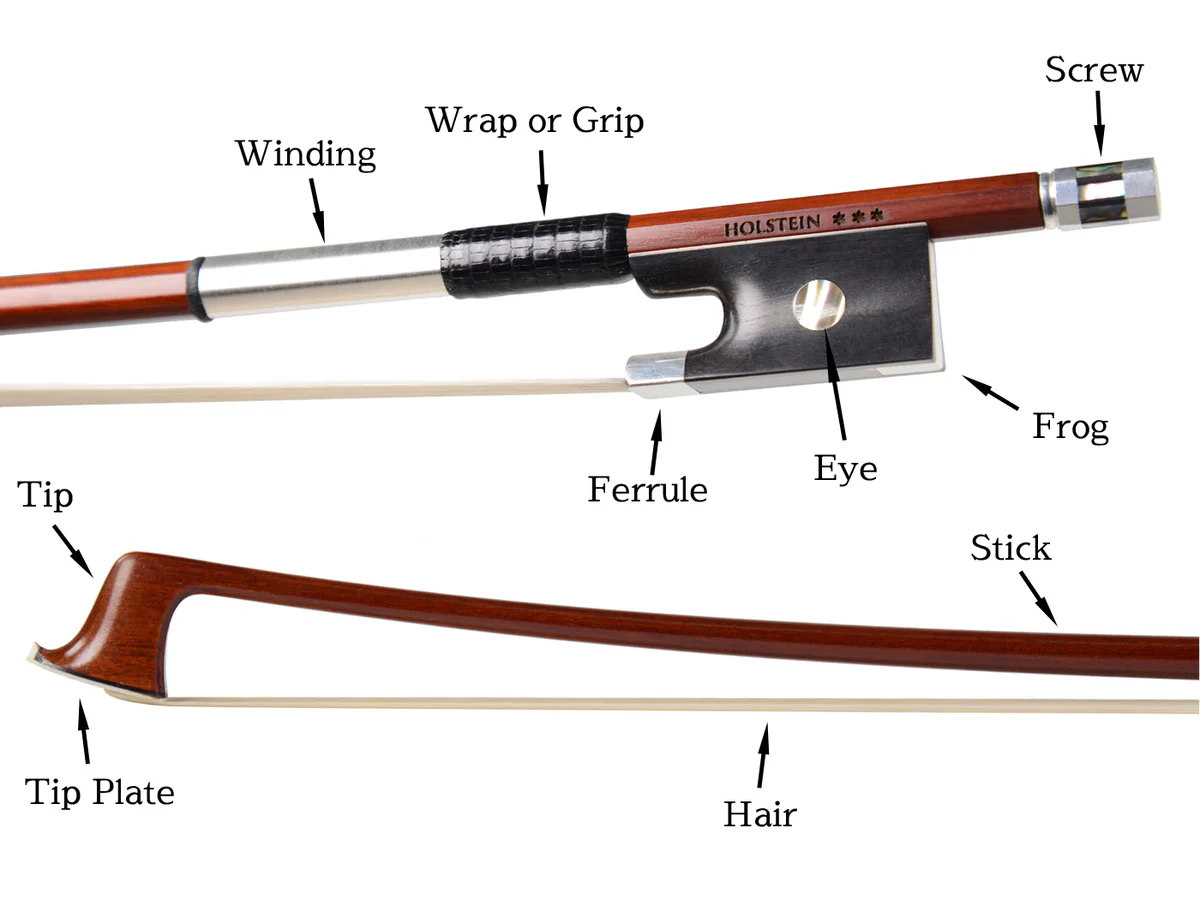
Here's something most beginners don't realize: your bow matters just as much as your violin. Maybe more. I've handed students a better bow and watched their jaw drop at the difference it made — same violin, completely different sound.
But the bow market is confusing. Carbon fiber vs. brazilwood? Round vs. octagonal? French vs. German? Let me break it down in plain English.
Choosing the right violin bow is just as important as selecting the right violin, especially for beginners who are just starting their musical journey. Many new violinists focus only on the instrument and overlook the bow, but the bow plays a major role in sound quality, control, tone, and overall playing comfort. A well-balanced bow can make playing easier, improve tone production, and help develop proper technique, while a poor-quality bow can make even a good violin sound weak or scratchy. That is why understanding how to choose the right violin bow is essential for every beginner.
If you want expert guidance on bow selection, consider visiting a bow maker listed in our directory. A specialist can match a bow to your specific violin and playing style — something no online guide can fully replace.
When selecting a violin bow, there are several factors to consider, including the material, weight, balance, flexibility, and grip. Violin bows are typically made from either brazilwood, carbon fiber, or fiberglass, and each material offers different benefits. Beginners often start with carbon fiber bows because they are durable, affordable, and consistent in performance. However, some players prefer wooden bows for their warmer tone and traditional feel. The weight and balance of the bow also affect how comfortable it feels in your hand and how easily you can control your strokes.
Another important aspect of how to choose the right violin bow is making sure the bow matches your playing level and violin size. A beginner does not need an expensive professional bow, but choosing a good-quality beginner bow can make learning much smoother and more enjoyable. Testing different bows, if possible, is one of the best ways to find the perfect match because every bow feels slightly different when played.
In this beginner’s guide, we will explain everything you need to know about selecting the perfect violin bow, including materials, weight, balance, and tips for making the best choice.
Understanding Why the Bow Matters
Many beginners underestimate the importance of the bow, but it is actually responsible for producing the sound from the violin. Even if you have a good violin, a poor-quality bow will make it difficult to control tone, volume, and smoothness. That is why learning how to choose the right violin bow is an important step for every violin player. A good bow helps you maintain proper pressure on the strings, improves bow control, and allows you to produce a clear and warm sound. In simple terms, the bow is just as important as the violin itself.
Choosing the Right Bow Material
One of the first things to consider when learning how to choose the right violin bow is the material. Violin bows are usually made from three main materials: brazilwood, carbon fiber, and fiberglass.
Brazilwood bows are traditional wooden bows and are often used by beginners and intermediate players. They provide a warm tone and good flexibility. Carbon fiber bows are very popular among beginners because they are strong, durable, and not affected by humidity or temperature. They also provide consistent performance and are easy to maintain. Fiberglass bows are usually the cheapest option and are often used for very young students, but they are heavier and less flexible.
For most beginners, carbon fiber bows are often the best choice because they offer a good balance between price, durability, and performance.
Bow Weight and Balance
Another important factor in how to choose the right violin bow is the weight and balance of the bow. A violin bow typically weighs between 55 and 65 grams. A lighter bow is easier to control for beginners, while a heavier bow can produce a louder sound but may be harder to handle.
Balance is even more important than weight. A well-balanced bow will feel comfortable in your hand and make bowing smoother. If the bow feels too heavy at the tip or too heavy near the frog, it will be difficult to control. When choosing a bow, hold it and try a few bow strokes to see if it feels natural and comfortable.
Check the Bow Hair and Stick Quality
When learning how to choose the right violin bow, you should also check the bow hair and the stick. The bow hair is usually made from horsehair, and it should look clean, straight, and evenly distributed. Poor-quality hair will not hold rosin well and will produce a weak sound.
The bow stick should be straight but slightly curved inward. This curve is called the camber and helps the bow bounce and move smoothly on the strings. Also, make sure the screw at the end of the bow tightens and loosens the hair properly.
Try Before You Buy
One of the best tips for how to choose the right violin bow is to try several bows before buying one. Even bows that look similar can feel very different when played. If possible, play long smooth strokes, short strokes, and string crossings to see how the bow responds. Choose the one that feels comfortable, balanced, and easy to control.
Remember, the most expensive bow is not always the best bow for you. The perfect bow is the one that feels right in your hand and helps you produce a better sound.
Final Thoughts on Choosing the Right Violin Bow
Choosing the right bow is an important step in your violin journey, especially for beginners who are still developing technique and sound control. Understanding how to choose the right violin bow helps you make a smart decision that will improve your playing experience and make learning more enjoyable. A good bow should feel comfortable in your hand, be well-balanced, and produce a smooth, clear sound on the strings.
Remember to consider the bow material, weight, balance, and hair quality before making a purchase. Carbon fiber bows are often a great choice for beginners because they are durable and easy to handle, while wooden bows offer a more traditional feel and warm tone. Most importantly, try different bows if possible and choose the one that feels natural and easy to control.
In the end, the right bow will help you play better, sound better, and enjoy the violin even more.
Start Your Violin Journey with the Right Guidance
Choosing the right equipment is one of the most important steps in learning the violin, and understanding how to choose the right violin bow can make a huge difference in your sound, comfort, and progress. But learning the violin is not just about buying the right bow or instrument — it’s about having the right guidance, proper lessons, and expert support throughout your musical journey.
If you are serious about learning the violin or improving your skills, Violin Network is the perfect place to start. Whether you are a complete beginner, an intermediate player, or someone returning to the violin after many years, you can find professional guidance, structured lessons, and helpful resources to support your learning. From choosing the right instrument and bow to improving technique, tone, posture, and musical expression, the right learning platform can make your progress faster and more enjoyable.
Visit https://violinnetwork.com/ today to explore lessons, learning resources, and expert guidance that will help you grow as a violinist. Don’t just learn the violin — learn it the right way with proper support, the right tools, and expert instruction. Your journey to becoming a confident violin player starts today.
🎻 Find a Bow Specialist
Our directory includes dedicated bow makers who can craft, rehair, and help you select the perfect bow for your playing.
Browse Bow Makers →
评论 (0)
🔒 请登录后评论
请登录后评论💭 暂无评论. 成为第一个评论的人!