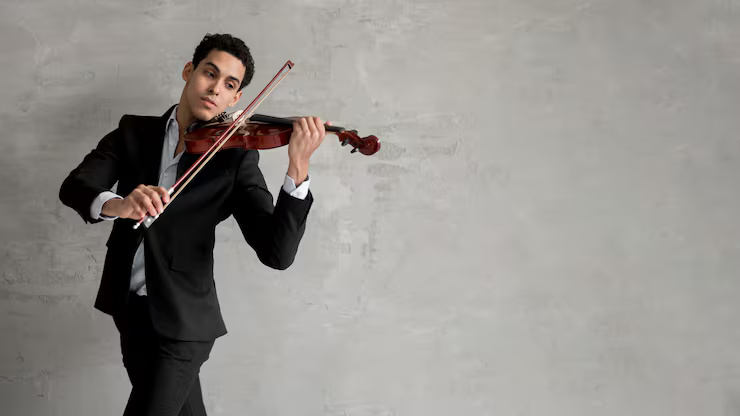
The Silent Struggles of Violinists No One Talks About
Music has a way of appearing effortless from the outside. When audiences watch a violinist glide the bow across the strings, producing rich, expressive tones, it seems almost magical. The posture is graceful, the movements controlled, and the performance captivating. Yet behind that polished stage presence lies a world of silent battles that many Violinists endure but rarely speak about. These struggles are often hidden beneath applause and admiration, leaving musicians to cope quietly with emotional and physical challenges that shape their artistic journey.
From the very first lesson, the violin demands patience and resilience. The instrument does not forgive easily; it magnifies every small mistake. Unlike instruments with frets or keys, the violin requires precise finger placement guided only by ear and muscle memory. This constant demand for perfection can weigh heavily on a musician’s confidence. As years go by, the pressure only intensifies — auditions, competitions, comparisons, injuries, and the relentless pursuit of improvement. The life of Violinists is often romanticized, but the reality includes moments of doubt, exhaustion, and vulnerability.
In this article, we explore the silent struggles that many violin players face — performance anxiety, comparison culture, plateau frustration, and injury fears. These are not signs of weakness but part of the deeply human experience of pursuing mastery. By shedding light on these hidden challenges, we create space for empathy, understanding, and support within the musical community.
The Weight of Performance Anxiety
For many Violinists, stepping onto a stage is both exhilarating and terrifying. Performance anxiety is not simply “nervousness.” It can manifest physically — shaking hands, a racing heartbeat, dry mouth, sweaty palms, or even momentary memory lapses. The irony is painful: hours of dedicated practice can feel threatened by a few moments of fear.
The violin, positioned under the chin and close to the ear, amplifies every tiny tremor. A slightly shaky bow arm can alter the entire sound. This physical closeness means anxiety cannot hide; it travels straight into the music. Some musicians describe it as feeling exposed — as if the audience can hear not just the notes but their inner doubts.
Young performers often experience this most intensely during exams, competitions, or recitals. The fear of disappointing teachers, parents, or themselves can overshadow the joy of sharing music. Even seasoned professionals admit that stage fright never fully disappears. Instead, they learn to manage it — through breathing techniques, visualization, preparation rituals, and sometimes sheer willpower.
Yet few openly discuss how crippling performance anxiety can be. In a culture that celebrates confidence and perfection, admitting fear may feel like admitting failure. The silence surrounding it makes many Violinists believe they are alone in their struggle, when in reality it is a shared human experience.
The Trap of Comparison Culture
Comparison has always existed in music, but social media has intensified it. Today, Violinists are constantly exposed to flawless performances online — polished recordings, viral prodigies, and edited highlight reels that showcase only the best moments.
It is easy to scroll through videos of a young virtuoso performing flawlessly and think, “Why can’t I play like that?” What we do not see are the countless hours of practice, the mistakes, the tears, and the private doubts behind those performances. Comparison culture reduces complex journeys into surface-level judgments.
In conservatories and orchestras, comparison can also be subtle but powerful. Seating arrangements, solo opportunities, and competition results often become silent markers of worth. Musicians may measure themselves against peers instead of focusing on their individual growth. This mindset can slowly erode self-esteem, turning music from a passion into a constant contest.
The danger lies in forgetting that every artist has a unique timeline. Some bloom early; others mature gradually. When Violinists define their success solely by external benchmarks, they risk losing connection with the personal reasons they began playing in the first place — love for sound, storytelling, and expression.
The Frustration of Plateaus
Progress in music is rarely linear. One of the most emotionally draining experiences for Violinists is the dreaded plateau — a period when improvement feels stagnant despite consistent effort.
In the early stages, growth can be rapid. Each week brings noticeable changes. But as technique becomes more advanced, gains become subtler. A player may practice diligently for months and still feel stuck at the same level. Intonation might remain slightly inconsistent. Shifts may not feel secure. A difficult passage refuses to smooth out.
Plateaus test patience and resilience. They can lead to self-doubt: “Am I practicing wrong?” “Am I not talented enough?” The mind begins to question what the heart once believed.
What many do not realize is that plateaus are often signs of deep internal processing. The brain and body are consolidating skills beneath the surface. Breakthroughs often follow these quiet periods of apparent stagnation. However, without encouragement and perspective, frustration can cause burnout.
Teachers play a crucial role in helping Violinists navigate these phases. So does self-compassion. Recognizing that mastery is built over years — not weeks — can help transform frustration into perseverance.
The Hidden Fear of Injury
Unlike many hobbies, playing the violin demands repetitive physical motion and sustained posture. Over time, this can lead to tension, strain, and injury. Yet injury fears are rarely discussed openly among Violinists.
Shoulder pain, neck stiffness, tendonitis, and wrist issues are common concerns. Because the instrument is held asymmetrically, the body must adapt to an unnatural position. Long practice sessions without proper breaks or technique can increase risk.
The emotional impact of injury fear can be profound. For a dedicated musician, the idea of not being able to play — even temporarily — feels devastating. Some push through pain to avoid falling behind, which can worsen the problem. Others quietly worry about long-term damage but hesitate to speak up.
Preventative care, including proper posture, warm-ups, stretching, and rest, is essential. Seeking guidance from teachers or medical professionals should never be seen as weakness. A healthy body is the foundation for sustained artistry.
Acknowledging these physical vulnerabilities allows Violinists to treat themselves with greater awareness and care, rather than silent endurance.
Finding Strength in Vulnerability
The silent struggles of Violinists are not flaws; they are part of the journey toward artistic depth. Anxiety reveals how deeply one cares. Frustration signals dedication. Comparison reflects ambition. Injury fears show commitment to longevity.
By speaking openly about these challenges, musicians can foster a culture of empathy rather than competition. Conversations about mental health, physical wellness, and realistic expectations can transform the learning environment. Teachers, mentors, and peers who share their own vulnerabilities help younger players feel less alone.
Ultimately, the violin is more than wood and strings. It becomes a mirror, reflecting the musician’s inner world — fears, hopes, resilience, and passion. The struggles that no one talks about often shape the most expressive performances. When a violinist pours emotion into a melody, the audience may hear beauty, but behind that beauty lies courage.
For every violinist quietly battling nerves before stepping on stage, doubting themselves after a difficult rehearsal, or stretching sore hands late at night — know that you are not alone. The path of music is demanding, but it is also profoundly human. And sometimes, the most powerful notes are born from the struggles we dare to acknowledge.
Step into a Stronger, Supported Musical Journey
Behind every confident performance is a story of dedication, resilience, and growth. But no musician should have to navigate performance anxiety, comparison pressure, frustrating plateaus, or injury concerns alone. True artistic success comes not only from practice, but from the right community, guidance, and encouragement.
That’s where Violin Network steps in.
At Violin Network, we believe that violinists deserve more than just lessons — they deserve mentorship, connection, and a safe space to grow both technically and emotionally. Whether you are a beginner finding your first notes or an advanced player striving for mastery, our platform is built to support your journey at every stage.
Why Choose Violin Network?
- 🎻 Expert guidance tailored to your level
- 🌍 A supportive global community of fellow violinists
- 📈 Structured pathways to overcome plateaus
- 🧠 Resources to manage performance anxiety and build confidence
- 💪 Insights on injury prevention and healthy practice habits
We understand the silent struggles because we’ve lived them. And we are committed to helping you transform those struggles into strengths.
Your music deserves to be heard. Your growth deserves to be nurtured. Your passion deserves a community that truly understands.
Take the Next Step toward Your Musical Breakthrough
Visit https://violinnetwork.com/ today and discover how the right support system can elevate not just your playing — but your entire musical experience.
Join the movement. Strengthen your artistry. Play with confidence.
🎻 You're Not Alone
Connect with thousands of violinists in our community who understand the journey.
Join the Community →
Commentaires (0)
🔒 Veuillez vous connecter pour commenter
Veuillez vous connecter pour commenter💭 Pas encore de commentaires. Soyez le premier à commenter !