Introduction:
Why Finding the Right Violin Luthier Matters
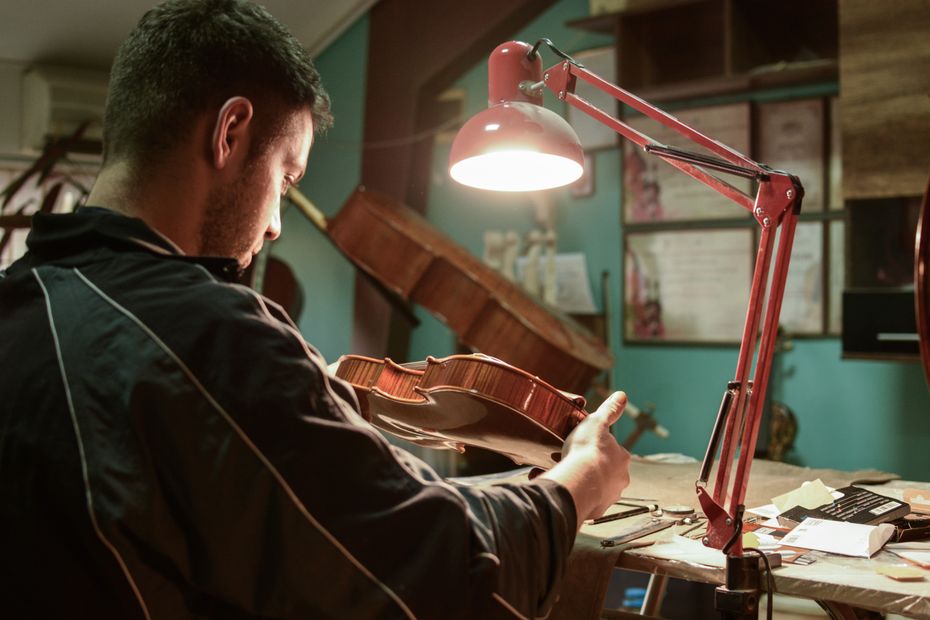
Learning how to find a violin luthier is an important step for any violinist who wants to protect the condition, sound, playability, and long-term value of an instrument. A violin is a delicate acoustic instrument made from carefully selected woods and precisely fitted components. Even a seemingly minor problem, such as a slipping peg, an incorrectly positioned bridge, an open seam, or an uneven fingerboard, can affect tuning stability and overall performance. While general music stores may offer basic assistance, a skilled violin luthier brings specialized knowledge of bowed string instruments and understands how each component contributes to the instrument as a whole.
For beginners, the search can feel confusing because not every repair technician has the same training, experience, or specialization. Some professionals focus primarily on routine maintenance and setup work, while others handle complex structural restoration, tonal adjustments, antique instruments, or professional-level violins. Understanding how to find a violin luthier therefore requires more than choosing the nearest repair shop. It involves evaluating experience, reputation, communication, workshop standards, and familiarity with instruments similar to your own.
A qualified luthier can inspect the violin carefully and identify issues that may not be obvious to the player. For example, poor bridge alignment may interfere with response, worn pegs can make tuning frustrating, and changes in humidity may contribute to open seams or structural stress. A luthier may also help with soundpost assessment, fingerboard condition, nut height, string action, tailpiece setup, and other details that influence comfort and tone. This makes professional care valuable not only when something breaks but also when the violin needs periodic attention.
Another reason to understand how to find a violin luthier is that violin repair requires precision. Improper glue, excessive sanding, poorly fitted replacement parts, or careless structural work may create additional problems. Because every violin has individual characteristics, repair decisions should be based on the instrument’s construction, age, condition, and intended use.
Whether you are a student, parent, teacher, orchestral musician, collector, or dedicated amateur, choosing the right specialist can make instrument ownership easier and more secure. The following guide explains practical ways to research professionals, compare expertise, ask useful questions, and select a luthier who can provide appropriate care for your violin.
Start by Asking Trusted Violin Professionals
One of the most reliable approaches to how to find a violin luthier is to ask people who regularly work with string instruments. Violin teachers, orchestra directors, professional performers, chamber musicians, and experienced students often know reputable specialists in their area.
Personal recommendations can be particularly useful because they are usually based on actual repair or maintenance experiences. Ask specific questions rather than simply requesting a name. Find out whether the luthier communicates clearly, provides realistic timelines, explains costs, and handles instruments carefully.
A strong recommendation from an experienced violin teacher can save considerable research time. However, it is still wise to conduct your own evaluation before authorizing significant work.
Search for a Specialist in Bowed String Instruments
Not every instrument repair professional is a violin specialist. When researching how to find a violin luthier, look for someone with clear experience working on violins, violas, cellos, and other bowed string instruments.
A specialist should understand areas such as:
- Bridge fitting and adjustment
- Peg fitting and replacement
- Soundpost assessment
- Fingerboard planing and dressing
- Open seam repair
- Crack evaluation and restoration
- Nut and string-height adjustment
- Tailpiece and end-button setup
- Structural inspection
- General playability optimization
Specialization matters because violin construction involves precise relationships between many components. Small adjustments can influence response, comfort, and tonal behavior.
Review Training, Experience, and Professional Background
Experience should be a major consideration when learning how to find a violin luthier. Review the professional’s background and determine how long they have worked with string instruments. Some luthiers complete formal violin-making or restoration programs, while others develop expertise through apprenticeships and extensive workshop experience.
Ask whether the luthier regularly works with instruments similar to yours. A student violin, a modern handmade violin, and a valuable historical instrument may require different levels of expertise and different repair approaches.
Training alone should not be the only deciding factor, but a transparent professional background can help you assess whether the luthier is suitable for the work required.
Examine Reviews Without Relying on Ratings Alone
Online reviews can support your search, but ratings should be interpreted carefully. A high score does not automatically prove that a workshop is appropriate for every violin or every type of repair.
When researching how to find a violin luthier, look for detailed comments about workmanship, communication, turnaround times, pricing transparency, and follow-up service. Reviews written by violinists, teachers, or professional musicians may offer especially useful context.
Pay attention to patterns. Repeated praise for careful work is meaningful, just as repeated complaints about unexplained charges or missed deadlines deserve consideration.
Visit the Workshop and Ask Detailed Questions
Whenever practical, speak directly with the luthier before committing to major work. A professional consultation can reveal a great deal about communication style and technical approach.
Useful questions include:
- What problem do you see with the instrument?
- Is the repair urgent or preventive?
- What work do you recommend?
- Are there alternative repair options?
- What is the estimated cost?
- How long should the work take?
- Will any original parts be replaced?
- What changes should I expect after the repair?
A trustworthy professional should be able to explain recommendations in understandable language. Technical expertise is important, but clear communication is equally valuable.
Request a Written Estimate for Significant Repairs
Cost transparency is a key part of how to find a violin luthier. Before approving extensive work, request a written estimate that describes the proposed repair and expected charges.
Some repairs may reveal additional issues after the instrument is examined more closely. For this reason, ask whether the luthier will contact you before performing work beyond the original estimate.
Written documentation helps prevent misunderstandings and allows you to make informed decisions, particularly when restoration work is complex or expensive.
Consider Communication and Respect for the Instrument
A good luthier should listen carefully to your concerns. If you describe a change in tone, unusual buzzing, tuning instability, or discomfort while playing, the professional should consider your observations rather than dismissing them.
When evaluating how to find a violin luthier, notice whether the specialist handles the instrument carefully and explains the diagnosis before recommending unnecessary changes. The best working relationships are built on trust, transparency, and mutual respect.
A luthier should also understand that players have different goals. A beginner seeking comfortable string action may have different priorities from a professional musician preparing for auditions or performances.
Be Cautious About Major Changes Without Clear Explanation
Some violin repairs are routine, while others may permanently alter original material. Before approving substantial restoration or structural modification, ask for a detailed explanation of why the work is needed.
Be cautious if a repair professional recommends extensive changes without inspecting the instrument carefully. Similarly, promises of guaranteed dramatic tonal improvement should be viewed critically because violin sound is influenced by many interacting factors.
Understanding how to find a violin luthier includes recognizing the value of careful, conservative decision-making, especially for older or valuable instruments.
Build a Long-Term Relationship With a Reliable Luthier
Once you find a skilled professional, maintaining an ongoing relationship can be beneficial. A luthier who becomes familiar with your violin may notice gradual changes in setup, seams, bridge condition, pegs, or fingerboard wear.
Regular professional inspections can be particularly useful for instruments exposed to seasonal humidity changes or frequent performance and travel. Long-term familiarity may also make future maintenance decisions more efficient.
For many musicians, knowing how to find a violin luthier is not simply about solving one immediate repair problem. It is about finding a trusted specialist who can support the instrument throughout years of playing.
Frequently Asked Questions About Finding a Violin Luthier
1. What is a violin luthier?
A violin luthier is a professional who may specialize in making, maintaining, repairing, setting up, or restoring violins and related bowed string instruments. Individual luthiers can have different areas of expertise, so it is important to confirm that their experience matches your instrument’s needs.
2. How do I know whether a violin luthier is trustworthy?
Look for relevant experience, transparent explanations, detailed estimates, strong recommendations from musicians or teachers, and careful handling of instruments. A trustworthy luthier should explain proposed work and answer reasonable questions clearly.
3. How often should I take my violin to a luthier?
There is no universal schedule for every violin. Frequency depends on playing intensity, climate, travel, instrument condition, and visible problems. Many players arrange periodic inspections and seek professional help promptly when they notice buzzing, open seams, bridge movement, peg trouble, or changes in playability.
4. Can a luthier improve the sound of my violin?
A luthier may identify setup or maintenance issues that affect response and tonal performance. Bridge condition, soundpost position, strings, fingerboard condition, and other factors may influence sound. However, responsible professionals generally avoid guaranteeing a specific tonal result.
5. Should beginners also use a professional violin luthier?
Yes. Beginners can benefit significantly from proper setup because poor string height, badly fitted pegs, bridge problems, or other issues can make learning unnecessarily difficult. A well-maintained instrument is generally easier and more comfortable to play.
Conclusion: Choose Your Violin Luthier With Care
Understanding how to find a violin luthier can help protect your instrument while supporting better playability, reliable maintenance, and informed repair decisions. Begin by seeking recommendations from teachers, performers, and experienced string players. Then research the luthier’s specialization, professional background, reputation, communication style, and experience with instruments similar to yours.
Avoid making a decision based only on convenience or the lowest quoted price. Violin work often requires patience, precision, specialized tools, and detailed knowledge of traditional construction. Ask questions, request estimates for significant repairs, and make sure you understand the proposed work before giving approval.
A dependable luthier can become an important part of your musical journey. From routine bridge and peg concerns to more complicated restoration needs, professional guidance can help you care for your violin responsibly. By taking a thoughtful approach to how to find a violin luthier, you can choose a specialist with greater confidence and build a valuable long-term relationship centered on careful instrument care.
Find Trusted Violin Knowledge and Resources With Violin Network
Finding the right professional becomes easier when you have access to useful information and a broader understanding of violin care. If you are researching how to find a violin luthier, Violin Network can be a valuable destination for expanding your knowledge of violins, musicianship, instrument care, and the wider string community.
Whether you are a beginner learning how to protect your first violin, a parent supporting a young musician, an experienced performer researching instrument-related topics, or a violin enthusiast seeking deeper insights, Violin Network offers a dedicated space to continue exploring the world of the violin. Better information can help you ask more informed questions, recognize when professional attention may be needed, and approach maintenance decisions with greater confidence.
Do not wait until a small instrument issue becomes a more complicated concern. Continue learning about proper violin care, maintenance practices, playing techniques, and the professionals who support musicians. Visit Violin Network today and discover resources designed for people who share a genuine interest in violins.
Make Violin Network part of your ongoing journey as you explore how to find a violin luthier, understand your instrument more deeply, and make better-informed choices about its care. Your violin deserves thoughtful attention, and the right knowledge can help you take the next step with confidence.
Commentaires (0)
🔒 Veuillez vous connecter pour commenter
Veuillez vous connecter pour commenter💭 Pas encore de commentaires. Soyez le premier à commenter !