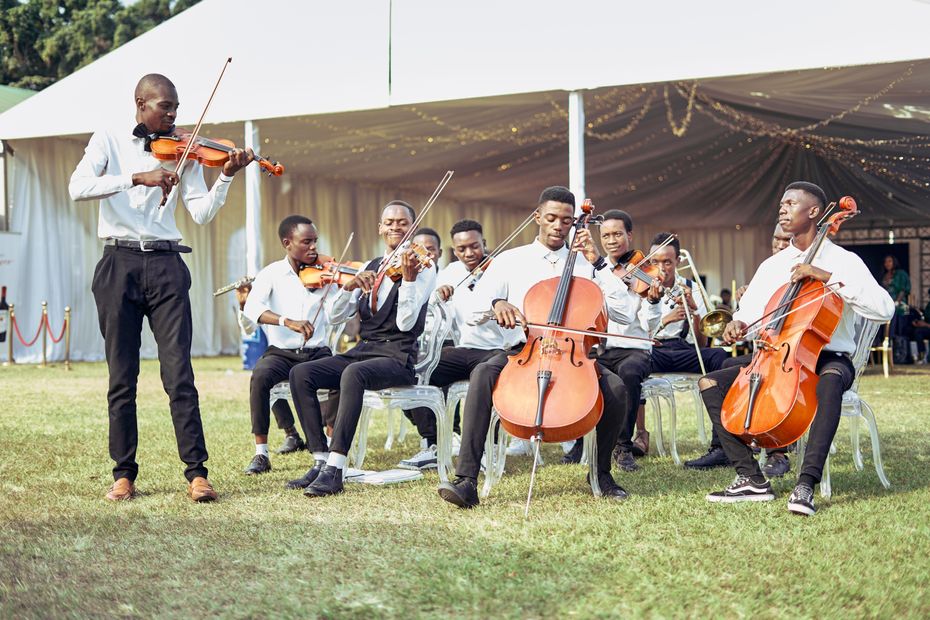
Introduction:
Build Better Technique through Purposeful Daily Practice
Learning classical violin is a long-term journey that combines technical discipline, musical understanding, physical coordination, and emotional expression. Unlike instruments where a beginner can produce a reasonably stable note with minimal training, the violin demands careful control from the very beginning. The player must coordinate bow speed, bow pressure, contact point, left-hand placement, posture, rhythm, and listening at the same time. For this reason, following a structured classical violin practice routine can make a major difference in how steadily and confidently a violinist develops.
Many students assume that improvement depends mainly on practicing for several hours every day. However, practice quality often matters more than total duration. A focused 45-minute session can be more productive than two hours of distracted repetition. When violinists know exactly what they are trying to improve, they can identify technical weaknesses, correct mistakes before they become habits, and use their time more efficiently. A well-designed classical violin practice routine provides this direction by dividing practice into purposeful areas such as warm-ups, scales, intonation, bowing exercises, études, repertoire, sight-reading, and musical interpretation.
Consistency is another essential factor. Violin playing depends heavily on physical coordination and refined muscle control. Irregular practice can make technical progress feel unstable, while regular sessions help reinforce reliable movement patterns. Daily scale work strengthens finger placement. Slow bow exercises improve tone production. Focused rhythm practice builds accuracy. Repertoire study develops interpretation and performance confidence. When these activities are organized properly, each part of the session supports broader musical growth.
At the same time, a productive routine should never become rigid or mechanical. Beginners, intermediate students, advanced players, orchestral musicians, and aspiring soloists have different needs. A young learner may need shorter sessions with simple goals, while an advanced violinist may devote significant time to difficult passages, advanced études, shifting, vibrato control, double stops, and performance preparation. Therefore, the most effective routine is one that adapts to the player’s current level and objectives.
A thoughtful classical violin practice routine also encourages active listening. Violinists must constantly evaluate pitch, tone quality, articulation, resonance, rhythm, phrasing, and dynamic control. Rather than merely repeating a passage, they should ask why a problem occurs and what specific adjustment could solve it. This analytical approach transforms practice from simple repetition into deliberate skill development.
Ultimately, meaningful progress comes from combining patience with structure. There will be days when playing feels natural and others when familiar passages suddenly seem difficult. That variation is normal in musical development. By maintaining clear goals, reviewing progress, and balancing technique with artistry, violinists can create a sustainable practice process that supports both immediate improvement and long-term musicianship.
Start Every Session With Physical and Mental Preparation
A productive violin session begins before the first difficult passage is played. The body should feel balanced, relaxed, and ready for coordinated movement. Excessive tension in the neck, shoulders, hands, or jaw can interfere with tone quality and technical freedom.
Begin by checking posture and instrument position. Make sure the violin feels secure without unnecessary squeezing. The bow hand should remain flexible, while the left thumb should avoid gripping the neck too tightly. A few slow, controlled breaths can also help establish concentration.
The opening minutes of a classical violin practice routine should prepare both body and mind. Instead of immediately attacking demanding repertoire, use simple movements and sustained sounds to develop awareness. This creates a stable foundation for the more challenging work that follows.
Develop Tone With Open-String Bowing Exercises
Tone production is one of the central responsibilities of every violinist. Even advanced musicians continue refining the relationship between bow speed, weight, contact point, and direction.
Spend several minutes playing long bows on open strings. Listen carefully to the beginning, middle, and end of every stroke. Aim for an even sound without sudden changes in volume or unwanted scratching. Observe whether the bow remains parallel to the bridge.
Useful variations include:
- Whole bows at slow tempos
- Separate bows in different parts of the bow
- String crossings between adjacent strings
- Crescendo and diminuendo on one sustained note
- Different rhythmic patterns on open strings
These exercises may appear simple, but they reveal weaknesses in bow control very quickly. Consistent open-string work can improve clarity, resonance, balance, and confidence.
Make Scales the Technical Core of Daily Practice
Scales should occupy an important place in a serious classical violin practice routine because they develop several skills simultaneously. They strengthen intonation, finger patterns, shifting, rhythm, bow distribution, coordination, and tonal awareness.
Beginners may focus on one-octave scales, while more experienced violinists can work on two-octave and three-octave patterns. The goal is not merely to reach the final note. Every pitch should be carefully evaluated.
Practice scales slowly before increasing speed. Use a tuner selectively, but also train the ear by listening for intervals and resonance. Different bowing patterns can turn one scale into several valuable exercises. Slurred bows, separate bows, dotted rhythms, accents, and varied groupings all challenge coordination in different ways.
Arpeggios should also be included because they strengthen awareness of harmonic structure and shifting patterns.
Use Études to Solve Specific Technical Problems
Études are most effective when chosen for a clear purpose. One study may focus on string crossings, another on détaché bowing, shifting, finger independence, double stops, or rapid articulation.
Rather than playing an étude from beginning to end repeatedly, identify the sections that expose a technical weakness. Practice those passages slowly and examine the underlying movement. If a string crossing sounds rough, determine whether the issue comes from the bow angle. If a shift is unreliable, examine the release of the left hand and the timing of the movement.
This problem-solving approach makes technical practice more efficient. It also prevents mindless repetition, which can reinforce mistakes instead of correcting them.
Divide Repertoire Into Manageable Sections
One common practice mistake is repeatedly playing an entire piece from beginning to end. Although complete run-throughs are useful, they are not always the best method for correcting difficult passages.
A strong classical violin practice routine divides repertoire into smaller sections. A violinist might work on four measures, two measures, or even a single shift. Difficult passages should be isolated and practiced below performance tempo.
Useful strategies include changing rhythms, practicing without vibrato, reducing the tempo, separating left-hand and bowing challenges, and starting from different points within the passage. Once accuracy improves, gradually reconnect the smaller sections.
This method saves time because attention is directed toward the passages that need the most work.
Practice Intonation With Active Listening
Accurate intonation is never achieved through finger placement alone. The ear must guide the hand. Classical violinists should listen for pitch relationships, intervals, sympathetic resonance, and harmonic context.
When a note sounds uncertain, avoid repeating it quickly without analysis. Stop and determine whether the finger is too high or too low. Compare the note with an open string when appropriate. Practice the movement leading into the note, because intonation problems often begin before the incorrect pitch actually occurs.
Slow practice is particularly valuable here. It gives the ear enough time to evaluate each pitch and allows the hand to make precise adjustments.
Include Rhythm and Metronome Training
Rhythmic accuracy is essential for solo, chamber, and orchestral playing. A metronome can help reveal rushing, dragging, and uneven subdivisions, but it should be used thoughtfully.
Begin difficult passages at a manageable tempo. Once the passage is consistently accurate, increase the speed gradually. Avoid raising the tempo after only one successful attempt. Reliable playing should be repeatable.
Rhythmic variations are also effective for fast passages. Changing groups of even notes into long-short or short-long patterns can expose coordination problems and strengthen finger clarity.
Reserve Time for Musical Interpretation
Technique serves music, so every practice session should include attention to expression. After establishing basic accuracy, consider phrase direction, dynamics, articulation, vibrato, character, and harmonic tension.
Ask where a phrase is moving and where it relaxes. Identify important notes rather than treating every pitch with equal weight. Consider how bow speed and contact point can shape a crescendo or create a softer color.
An effective classical violin practice routine should develop not only cleaner playing but also a stronger artistic voice. Mechanical precision alone cannot communicate the emotional structure of classical repertoire.
Add Sight-Reading for Greater Musical Flexibility
Sight-reading is often neglected because immediate repertoire demands seem more urgent. However, regular sight-reading can improve rhythmic confidence, pattern recognition, ensemble readiness, and overall musicianship.
Choose music slightly below your maximum technical level. Before playing, examine the key signature, time signature, tempo, accidentals, rhythmic patterns, and difficult transitions. Try to maintain continuity even if a small mistake occurs.
Five to ten minutes of regular sight-reading can produce meaningful long-term benefits.
Finish With Reflection Instead of Random Repetition
The final minutes of practice should help consolidate what was learned. Review one difficult passage at a controlled tempo or play a section that improved during the session.
Then briefly evaluate the session. Consider what became more reliable and what still needs attention. This simple habit makes the next classical violin practice routine more focused because you begin with a clear understanding of unfinished work.
A short practice journal can be useful. Record tempos, technical observations, problem passages, and goals for the next day. Over time, these notes provide a realistic picture of progress.
Frequently Asked Questions About Classical Violin Practice
1. How long should a classical violinist practice every day?
Practice duration depends on age, level, physical condition, and musical goals. Beginners may benefit from 20 to 45 focused minutes, while intermediate and advanced players often practice longer. Quality, concentration, and consistency are more important than simply accumulating hours.
2. What should come first in a classical violin practice routine?
Most violinists benefit from beginning with physical awareness, open strings, slow bowing, and scales. These activities prepare coordination and listening before more demanding études and repertoire work.
3. Should I practice scales every day?
Regular scale practice is highly valuable because it develops intonation, finger patterns, shifting, bow control, and familiarity with keys. The exact amount of time can vary, but consistent scale work supports nearly every area of classical violin technique.
4. How can I avoid repeating mistakes during violin practice?
Slow the passage down, identify the precise cause of the problem, isolate a small section, and repeat the corrected movement carefully. Avoid repeatedly playing through an error at full speed, as this may strengthen the unwanted habit.
5. Is it better to practice violin once a day or in shorter sessions?
Both approaches can work, but shorter focused sessions are often helpful when concentration or physical fatigue becomes an issue. Two well-planned sessions may be more effective than one long session filled with unfocused repetition.
Conclusion: Create a Routine That Supports Lasting Musical Growth
A successful classical violin practice routine is not simply a timetable filled with technical exercises. It is a flexible system for building reliable skills, improving musical understanding, and turning weaknesses into achievable goals. By combining physical preparation, open-string bowing, scales, arpeggios, études, focused repertoire work, intonation training, rhythm practice, sight-reading, and interpretation, violinists can make each session more purposeful.
Consistency remains essential, but thoughtful practice should always take priority over mechanical repetition. Players who listen actively, isolate problems, use slow practice intelligently, and review their progress are more likely to develop dependable technique. At the same time, practice should preserve curiosity and musical expression. The ultimate goal is not merely to play more notes correctly but to communicate with greater freedom, confidence, and artistic awareness. With patience and a carefully organized routine, violinists at every level can build habits that support continuous improvement and a deeper connection with classical music.
Connect, Learn, and Grow With a Global Violin Community
Building an effective classical violin practice routine becomes even more rewarding when you have access to a dedicated space for violin knowledge, professional connections, learning opportunities, and community engagement. Whether you are a beginner developing foundational technique, an advanced player refining demanding repertoire, a teacher sharing expertise, a luthier offering specialized services, or a violin professional seeking meaningful industry connections, the right network can support your journey.
Violin Network is designed to bring together people who share a genuine connection to the violin world. Instead of practicing and progressing in isolation, you can explore a platform focused specifically on violinists, educators, makers, repair specialists, performers, students, and other members of the global string community.
Use your classical violin practice routine as the foundation for personal growth, then expand your opportunities through valuable connections and relevant resources. Discover new perspectives, engage with the wider violin community, strengthen your professional visibility, and stay connected to a world built around violin playing and craftsmanship.
Visit Violin Network today and explore how a specialized violin-focused platform can complement your musical development, professional goals, and long-term passion for the instrument:
Your next stage of violin growth may begin with better practice—but it can become even stronger through the right community, meaningful connections, and shared musical knowledge.
Comentarios (0)
🔒 Por favor inicia sesión para comentar
Por favor inicia sesión para comentar💭 Aún no hay comentarios. ¡Sé el primero en comentar!