Introduction:
Build Better Sound with Violin Bowing Techniques
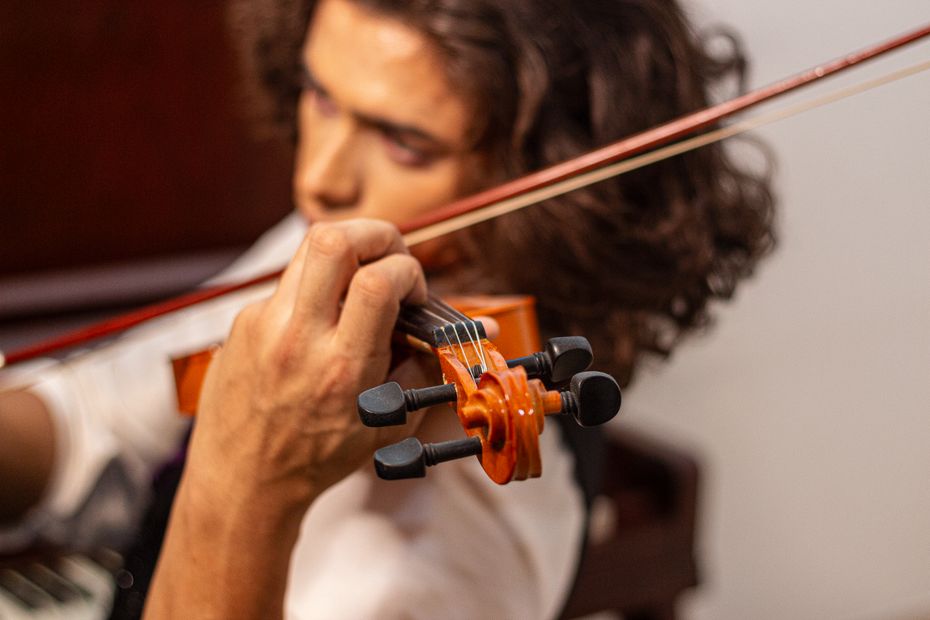
Learning the violin involves much more than placing the fingers correctly on the fingerboard. While accurate intonation is essential, the bow is responsible for shaping the voice, character, volume, and emotional depth of every note. For this reason, developing strong violin bowing techniques is one of the most important steps for any player who wants to produce a clear, expressive, and controlled sound. Whether you are a complete beginner, an advancing student, or an experienced musician refining your artistry, effective bow control can transform the quality of your playing.
At first, bowing may appear simple. A player draws the bow across the strings, and the violin produces sound. In practice, however, beautiful tone depends on several connected factors. Bow speed, pressure, contact point, bow angle, wrist flexibility, finger movement, and arm balance all influence the final result. Even a small change in one of these areas can turn a smooth note into a scratchy, weak, uneven, or uncontrolled sound. That is why consistent practice of violin bowing techniques deserves as much attention as scales, finger exercises, and repertoire.
Beginners often struggle with keeping the bow straight. The bow may drift toward the fingerboard or slide too close to the bridge. Some players press too heavily, believing that extra force will create a stronger sound. Others use too little weight and produce a thin, uncertain tone. These difficulties are normal parts of learning, but they should be addressed early because repeated habits can become harder to correct over time.
Good bowing is also closely connected with physical freedom. A rigid shoulder, locked elbow, stiff wrist, or tense thumb can limit movement and reduce tonal quality. Skilled violinists learn to coordinate the shoulder, elbow, wrist, hand, and fingers so that the bow travels smoothly and responds naturally to musical demands. This coordination develops gradually through careful observation, focused exercises, and patient repetition.
Understanding different violin bowing techniques also expands musical expression. Some strokes create smooth lyrical lines, while others produce light, energetic articulation. Techniques such as legato, détaché, martelé, staccato, spiccato, and sautillé each have distinct musical purposes. By learning how and when to use them, violinists gain a broader expressive vocabulary and become better prepared to perform music from different periods and styles.
Ultimately, strong bowing technique is not simply about moving the bow correctly. It is about controlling sound with intention. The following sections explore essential methods, practical exercises, common challenges, and useful strategies that can help violinists improve bow control and develop a more confident musical voice.
Why Violin Bowing Techniques Matter So Much
The bow acts as the primary sound-producing tool of the violin. The left hand determines pitch, but the bow strongly influences tone quality, articulation, dynamics, phrasing, and emotional expression. This makes violin bowing techniques central to effective violin playing.
A well-controlled bow allows a violinist to move smoothly between soft and powerful passages. It also supports clean articulation and helps phrases sound connected rather than mechanical. Without proper control, even accurate notes may sound uneven or musically unconvincing.
Players should therefore think of bowing as an essential part of musicianship rather than a separate technical exercise. Every bow stroke should serve the sound and character of the music.
Develop a Correct and Flexible Bow Hold
A secure bow hold provides the foundation for effective movement. The fingers should remain naturally curved rather than rigid. The thumb is generally bent and flexible, while the index finger helps regulate weight and the little finger contributes to balance.
A good bow hold should feel controlled without excessive squeezing. Too much tension can restrict wrist movement and make smooth bow changes difficult. On the other hand, holding the bow too loosely may reduce stability.
When practising the bow hold:
- Keep the fingers naturally rounded.
- Avoid locking the thumb.
- Allow the wrist to remain responsive.
- Maintain contact without gripping tightly.
- Check for unnecessary tension regularly.
Developing this foundation makes advanced violin bowing techniques easier to learn later.
Learn to Keep the Bow Straight
Straight bowing is one of the most important skills for achieving a consistent tone. Ideally, the bow should travel approximately parallel to the bridge. When it moves at an uncontrolled angle, the contact point may shift and the sound can become unstable.
Practise slowly in front of a mirror. Use open strings and observe the bow from frog to tip. Pay attention to how the arm changes throughout the stroke. Near the frog, the upper arm plays a greater role, while movement toward the tip requires coordinated extension of the forearm.
Slow practice is particularly effective because it reveals problems that fast playing can hide.
Control Bow Speed for Better Musical Expression
Bow speed has a major influence on sound. A faster bow can create openness and energy, while a slower bow may support intensity, concentration, or sustained tone. However, the correct speed depends on dynamics, contact point, and bow weight.
One useful exercise is to play a single open string for different lengths of time. Begin with a four-second bow, then try eight seconds, twelve seconds, and longer. The goal is to maintain an even sound from beginning to end.
This exercise develops awareness of bow distribution and improves control over long musical phrases.
Understand Bow Weight and Pressure
Many students confuse effective bow weight with force. Pressing heavily into the string often creates a harsh or crushed sound. Better tone comes from balancing natural arm weight with bow speed and contact point.
The player should learn to feel how the string responds. Near the bridge, the violin can generally accommodate slower bow speed and greater weight. Near the fingerboard, lighter weight is often necessary.
Refining this balance is a key part of advanced violin bowing techniques because it allows players to create a wider range of tone colours.
Master Legato for Smooth Musical Lines
Legato bowing creates a connected, flowing effect. Several notes may be played in one bow stroke without audible breaks between them. This technique is essential for lyrical melodies and expressive phrasing.
To improve legato:
- Keep bow speed steady.
- Coordinate left-hand fingers precisely.
- Avoid sudden changes in pressure.
- Plan bow distribution before beginning the phrase.
- Practise slowly before increasing tempo.
Successful legato should sound seamless rather than segmented.
Build Clarity with Détaché Bowing
Détaché is one of the most widely used bow strokes. Each note receives a separate bow direction, but the sound remains clear and controlled rather than aggressively separated.
Beginners can practise détaché on open strings using the middle section of the bow. Start with equal strokes and listen carefully for consistency. Each note should have a similar quality unless the music requires a deliberate accent or dynamic change.
This stroke helps develop independence, rhythm, and reliable bow control.
Add Definition with Martelé
Martelé means “hammered” and produces a clearly articulated beginning to each note. The player prepares the bow with controlled pressure, releases the stroke, and allows a distinct separation before the next note.
The technique should not become harsh. Excessive force creates tension and poor sound. Practise short strokes slowly, concentrating on clean preparation and immediate release.
Martelé can strengthen articulation and improve awareness of how the bow initiates sound.
Improve Lightness with Spiccato
Spiccato is an off-the-string stroke in which the bow bounces naturally between notes. It is frequently used in lively, energetic passages.
A common mistake is trying to force the bow to bounce. Instead, players should explore the bow’s natural spring. The middle or lower-middle area often provides a useful starting point, depending on speed and musical context.
Begin with small movements and moderate tempos. As coordination improves, gradually adjust speed and stroke size.
Practise Smooth Bow Changes
Bow changes should often be nearly invisible to the listener. Abrupt direction changes can interrupt a phrase and create unwanted accents.
To practise smooth changes, play long open strings and focus carefully on the moments at the frog and tip. Reduce unnecessary tension before changing direction. Allow the wrist and fingers to absorb part of the movement.
Among all violin bowing techniques, controlled bow changes are especially important because they affect nearly every style of playing.
Coordinate String Crossings Carefully
String crossings require accurate coordination of arm levels. If the movement is too large, playing becomes inefficient. If it is poorly timed, unwanted strings may sound.
Practise crossing between two open strings slowly. Keep the movement economical and listen for clean transitions. Then expand the exercise to three and four strings.
For faster passages, smaller movements are generally more efficient. The arm should anticipate the new string level rather than react late.
Use the Whole Bow Effectively
Some students become comfortable using only the middle section of the bow. Although this may feel easier, it limits dynamic range and expressive possibilities.
Practise whole bows on open strings and scales. Learn how the physical balance changes between the frog, middle, and tip. The frog offers natural weight but can feel difficult to control. The tip requires greater extension and careful management of sound.
Balanced use of the entire bow improves confidence and musical flexibility.
Common Mistakes to Avoid During Bowing Practice
Progress can slow when technical errors become habitual. Common problems include:
- Gripping the bow too tightly.
- Raising the right shoulder unnecessarily.
- Allowing the bow to move crookedly.
- Pressing excessively into the strings.
- Ignoring bow distribution.
- Using the same contact point for every dynamic.
- Practising too quickly before establishing control.
- Forcing bouncing strokes instead of developing natural response.
Recording short practice sessions can help identify problems that may be difficult to notice while playing.
Practical Practice Tips for Better Bow Control
Consistent improvement requires focused practice rather than endless repetition. Spend several minutes each day working specifically on violin bowing techniques without the distraction of difficult left-hand passages.
Open-string practice is highly valuable because it allows complete attention to the right arm. Use a mirror to check bow direction, practise at different dynamic levels, and divide the bow into sections. For example, play strokes using only the lower half, upper half, middle, and eventually the entire bow.
A metronome can also improve consistency. Practise equal bow strokes at a slow tempo, then gradually increase speed while preserving tone quality.
Frequently Asked Questions About Violin Bowing Techniques
1. What are the most important violin bowing techniques for beginners?
Beginners should focus on straight bowing, a flexible bow hold, smooth bow changes, controlled détaché, basic legato, and clean string crossings. These skills provide the foundation for more advanced strokes.
2. How long does it take to improve bow control?
Improvement depends on practice quality, frequency, previous experience, and instruction. Many students notice meaningful changes within several weeks of focused daily practice, while refined bow mastery develops over years.
3. Why does my violin sound scratchy when I use the bow?
A scratchy sound may result from excessive pressure, insufficient bow speed, poor contact point, a crooked bow path, or unnecessary physical tension. Testing one factor at a time can help identify the cause.
4. How can I practise violin bowing techniques at home?
Use open strings, long bows, mirror practice, slow détaché strokes, controlled string crossings, and bow-distribution exercises. Recording yourself can also reveal inconsistencies in sound and movement.
5. Which advanced bowing techniques should violinists learn?
After developing a reliable foundation, violinists may explore martelé, spiccato, staccato, sautillé, ricochet, collé, and other specialised strokes. The appropriate sequence depends on technical readiness and repertoire.
Conclusion: Turn Bow Control into Musical Confidence
Developing strong violin bowing techniques is a gradual process that rewards patience, careful listening, and consistent practice. The bow determines far more than volume. It shapes articulation, phrasing, dynamics, tone colour, and the emotional direction of a performance. For this reason, violinists at every level benefit from giving focused attention to right-hand technique.
Begin with the essentials: a flexible bow hold, straight bow movement, balanced contact with the string, controlled speed, and smooth direction changes. Once these foundations become reliable, techniques such as legato, détaché, martelé, and spiccato can add greater variety and sophistication to your playing. Avoid rushing through exercises simply to reach faster tempos. Controlled repetition with a clear purpose usually produces better results than unfocused practice.
Most importantly, remember that technique should support musical expression. The ultimate goal is not merely to execute a bow stroke correctly but to use it to communicate character, movement, and emotion. With disciplined practice and thoughtful guidance, better bow control can lead to a richer tone, stronger confidence, and more expressive violin playing.
Strengthen Your Playing with Violin Network
If you are serious about improving your sound, expanding your musical knowledge, and developing more confident violin bowing techniques, Violin Network can be a valuable destination for your continuing violin journey. Learning an instrument becomes more rewarding when you have access to relevant information, practical insights, and a dedicated space focused on the world of violin playing.
Visit Violin Network to explore violin-related guidance that can support beginners, students, teachers, performers, and passionate music enthusiasts. Whether you are working to correct a crooked bow path, improve tone production, understand essential bow strokes, strengthen practice habits, or deepen your overall knowledge of the instrument, the right resources can make your learning process more focused and productive.
Do not allow poor bow habits, inconsistent practice, or uncertainty about technique to limit your musical progress. Use trusted violin-focused information to understand what to practise, why it matters, and how individual skills connect to expressive performance. From fundamental control to more advanced violin bowing techniques, every improvement can bring greater clarity, confidence, and personality to your sound.
Take the next step toward more informed and expressive violin playing. Explore Violin Network today, discover useful violin-focused content, and continue building the technical control and musical understanding needed to make every bow stroke more purposeful, polished, and expressive.
Comentarios (0)
🔒 Por favor inicia sesión para comentar
Por favor inicia sesión para comentar💭 Aún no hay comentarios. ¡Sé el primero en comentar!