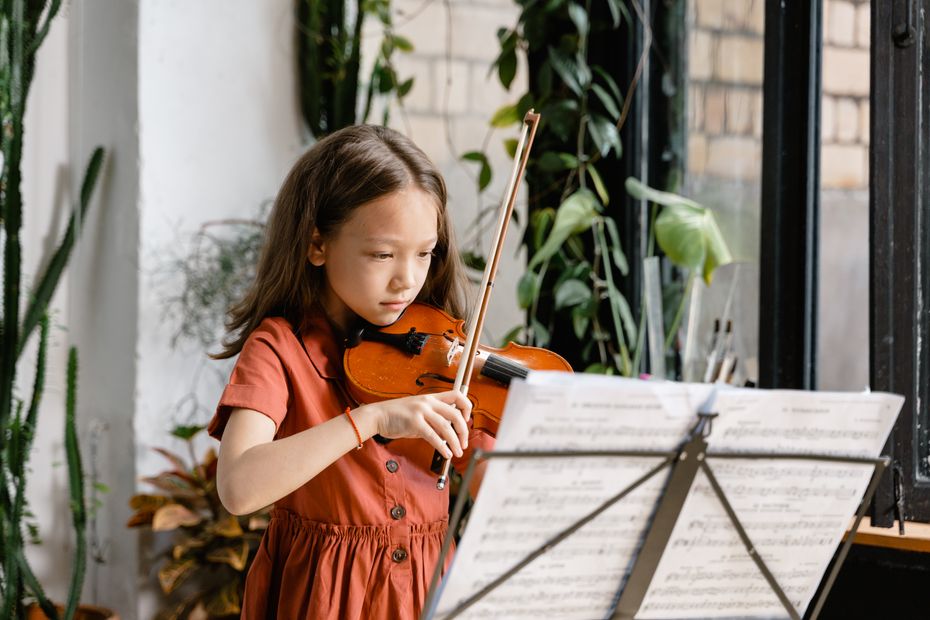
Introduction:
Starting Your Violin Journey with Confidence
Learning to play the violin can be one of the most rewarding musical experiences for a beginner. The instrument has a remarkable ability to express emotion, from soft and delicate melodies to energetic and powerful performances. However, many new learners feel uncertain when they first hold a violin because there are no frets to show exactly where each finger should go. Bow control, posture, tuning, rhythm, and intonation may also seem challenging at first. The good news is that a clear learning method, regular practice, and patient guidance can make steady progress possible. If you are wondering how to learn violin for beginners, the best approach is to begin with strong fundamentals rather than rushing toward difficult songs.
A successful violin journey starts with understanding the instrument itself. Beginners should become familiar with the violin body, strings, bridge, fingerboard, tuning pegs, fine tuners, chin rest, bow, and rosin. Knowing how these parts function helps students handle the instrument safely and develop confidence. It is equally important to learn how to hold the violin comfortably. Poor posture can create unnecessary tension in the neck, shoulders, hands, and wrists, while correct positioning supports better tone and easier movement.
When exploring how to learn violin for beginners, students should focus on small, achievable goals. Instead of trying to master an entire song immediately, begin with open strings, simple bow strokes, basic rhythms, and first-position finger placement. These foundational skills prepare learners for scales, melodies, and more advanced techniques later. Even 20 to 30 minutes of focused daily practice can be more productive than a long, irregular practice session once a week.
Another important factor is listening. Violinists develop not only through physical repetition but also through careful listening. Beginners should pay attention to pitch, rhythm, tone quality, and musical phrasing. Listening to skilled violinists can help students understand what a clear note sounds like and how a melody should flow. Recording short practice sessions can also reveal problems that may not be obvious while playing.
Modern learners have access to many useful resources, including online lessons, video demonstrations, digital tuners, metronomes, sheet music, and virtual instruction. These tools can make how to learn violin for beginners more accessible than ever. Still, consistency remains essential. A beginner who practices thoughtfully, corrects mistakes early, and follows a structured progression is more likely to build reliable technique.
Most importantly, violin learning requires patience. Early sounds may be scratchy, finger placement may feel unfamiliar, and smooth bowing may take time. These are normal parts of skill development. By building one technique at a time and celebrating measurable improvements, beginners can transform initial uncertainty into musical confidence and lasting enjoyment.
Choose the Right Violin before You Begin
The first practical step in understanding how to learn violin for beginners is selecting an instrument that fits properly. Violins come in different sizes, including fractional sizes for younger learners and full-size instruments for many adults. An incorrectly sized violin may make posture uncomfortable and interfere with technique.
Beginners should also make sure the instrument is properly set up. The bridge should be correctly positioned, the strings should be in suitable condition, and the tuning pegs and fine tuners should work smoothly. A dependable bow and appropriate rosin are equally important. Starting with a playable instrument allows the learner to focus on technique instead of fighting unnecessary equipment problems.
Learn the Correct Violin Posture
Good posture forms the foundation of effective playing. Stand or sit upright without becoming stiff. Keep the shoulders relaxed and place the violin comfortably between the shoulder and jaw. The left hand should support movement without gripping the neck excessively.
For anyone researching how to learn violin for beginners, posture deserves serious attention because early habits often become long-term habits. Excessive tension can restrict finger movement, reduce bow control, and make practice uncomfortable. Beginners should regularly check whether the shoulders, thumb, wrist, and jaw remain relaxed.
Master the Bow Hold Step by Step
The bow is responsible for producing and shaping the violin's sound. A beginner should learn a balanced, flexible bow hold rather than squeezing tightly. The fingers need to work together while remaining responsive.
Start by practicing the bow hold away from the violin. Then place the bow on an open string and make slow strokes. Focus on keeping the bow approximately parallel to the bridge. Straight bowing is a major part of how to learn violin for beginners because an unstable bow path can produce weak, uneven, or scratchy sounds.
Practice long strokes before attempting rapid bowing. Aim for a consistent tone from the beginning to the end of each stroke.
Begin with Open String Exercises
Before adding left-hand fingers, practice the four violin strings: G, D, A, and E. Open-string exercises allow beginners to concentrate on bow control, rhythm, and tone.
Play each string slowly and listen carefully. Try to avoid accidentally touching neighboring strings. Once single-string bowing becomes comfortable, practice simple transitions between two strings.
This stage may appear basic, but it plays an essential role in how to learn violin for beginners. Strong open-string control creates a foundation for cleaner melodies later.
Develop Accurate Finger Placement
Unlike a guitar, the violin does not have frets. Beginners must learn where to place their fingers by developing muscle memory and careful listening. Start with first position and practice one finger at a time.
Finger tapes may help some new students identify approximate positions. However, learners should also train their ears rather than depending entirely on visual markers. Play slowly, compare notes with a tuner when appropriate, and correct inaccurate pitch immediately.
Scales are especially useful for developing finger placement. A simple one-octave scale can improve intonation, coordination, and familiarity with the fingerboard.
Create a Consistent Daily Practice Routine
Regular practice is central to how to learn violin for beginners. A focused 20-minute session every day can produce better results than occasional, exhausting sessions.
A beginner practice routine might include:
- 3 minutes of posture and bow-hold checks
- 5 minutes of open-string exercises
- 5 minutes of scales or finger patterns
- 5 minutes of a simple melody
- 2 minutes reviewing difficult passages
The exact duration can change according to age and experience. The key is consistency. Practice slowly enough to notice errors and repeat difficult sections intelligently.
Use a Tuner and Metronome Wisely
A tuner helps beginners check pitch, while a metronome supports steady rhythm. Both tools can strengthen independent practice when used correctly.
Do not stare constantly at a tuner while playing. Instead, play a note, listen, check the pitch, and make an adjustment. Similarly, begin metronome practice at a slow tempo. Increase speed only when the passage remains controlled.
These tools are highly valuable when learning how to learn violin for beginners, particularly for students practicing between lessons.
Start with Easy Songs and Progress Gradually
Simple songs give beginners an opportunity to combine bowing, finger placement, rhythm, and listening. Choose melodies with limited note ranges and manageable rhythms.
Avoid selecting advanced pieces simply because they sound impressive. Difficult music can encourage poor technique when a learner is not ready. Progress should be gradual: master simple melodies, then introduce new rhythms, string crossings, dynamics, and bowing patterns.
Learn from a Qualified Violin Teacher
Self-study resources can be helpful, but personalized instruction often makes learning more efficient. A teacher can identify posture problems, correct bowing errors, improve intonation, and recommend exercises suited to the student's current level.
This is particularly important because beginners may repeat mistakes without recognizing them. Professional feedback can prevent small technical issues from becoming deeply established habits.
Record and Review Your Practice
Recording yourself is a simple but powerful learning method. A phone recording can reveal uneven rhythm, inconsistent tone, poor intonation, or unwanted pauses.
Review one short section at a time. Identify a specific problem and work on it during the next practice session. This reflective approach makes how to learn violin for beginners more structured and measurable.
Frequently Asked Questions About Learning Violin
1. How long does it take a beginner to learn violin?
The timeline varies according to practice frequency, instruction quality, age, and individual goals. Many beginners can play simple melodies within a few months of consistent practice. Developing refined tone, reliable intonation, and advanced technique generally takes much longer.
2. Can I learn violin by myself as a beginner?
Yes, basic violin skills can be explored through structured online resources and consistent self-practice. However, guidance from a qualified teacher can help correct posture, bow hold, finger placement, and intonation problems before they become habits.
3. How many minutes should a beginner practice violin daily?
Many beginners benefit from approximately 20 to 30 minutes of focused daily practice. Younger students may begin with shorter sessions. Consistency and concentration are generally more important than simply practicing for long hours.
4. Is violin difficult for complete beginners?
The violin can feel challenging because it requires coordination between both hands and accurate pitch without frets. However, a structured progression makes the process manageable. Beginners should focus on one skill at a time and avoid rushing.
5. What should I learn first on the violin?
Start with instrument care, correct posture, violin hold, bow hold, open-string exercises, basic rhythms, and first-position finger placement. These fundamentals provide the technical base needed for scales and simple songs.
Conclusion: Build Your Violin Skills One Step at a Time
Understanding how to learn violin for beginners begins with accepting that strong musical ability develops through consistent, focused practice. Beginners should prioritize correct posture, relaxed bow control, accurate finger placement, careful listening, and manageable practice goals. Trying to progress too quickly can create tension and technical habits that become difficult to correct later.
A structured learning routine makes the journey clearer and more enjoyable. Practice open strings, scales, simple rhythms, and easy melodies before moving toward complex repertoire. Use helpful tools such as tuners, metronomes, recordings, and professional feedback to measure improvement. Most importantly, remain patient with the learning process. Every controlled bow stroke and accurately placed note contributes to long-term progress. With regular effort, suitable guidance, and a willingness to refine fundamental skills, beginners can develop confidence, musical expression, and a lasting connection with the violin.
Turn Your Interest in Violin into Real Musical Progress
Reading about how to learn violin for beginners is an excellent starting point, but meaningful progress comes from structured learning, dependable guidance, and access to the right violin-focused resources. Whether you are picking up the instrument for the first time, returning after a long break, searching for professional instruction, or looking for a stronger connection with the violin community, having a dedicated platform can make your journey more focused and rewarding.
Violin Network is designed to connect violin enthusiasts with valuable opportunities, knowledge, and support related to the instrument. Instead of navigating the learning process without direction, explore a violin-centered environment where your musical interests can continue to grow. Beginners can benefit from discovering resources that support better practice habits, deeper understanding, and more confident progression.
If your goal is to understand how to learn violin for beginners and move beyond uncertainty, now is the time to take a more purposeful next step. Visit Violin Network to explore a dedicated space for people who are serious about learning, improving, connecting, and engaging with the world of violin.
Start building your violin journey with greater confidence, stronger direction, and a community-focused approach. Explore Violin Network today and take your next step toward becoming the violinist you want to be.
Turn Your Violin Ambition into Real Progress with Violin Network
Learning the violin is more than simply memorizing notes or practicing a few familiar songs. It is a journey that requires the right direction, consistent motivation, practical knowledge, and meaningful connections within the wider violin community. If you have been searching for how to learn violin for beginners, now is the time to move from curiosity to confident action with Violin Network.
Whether you are holding a violin for the first time, trying to improve your basic technique, looking for trusted violin-related guidance, or hoping to connect with people who share your passion for this remarkable instrument, Violin Network can become an important part of your musical journey. A dedicated violin-focused platform can help you explore the world of violin with greater purpose while expanding your knowledge, discovering opportunities, and staying connected to a community built around a shared love of music.
The path to becoming a better violinist begins with informed choices. Beginners need more than random practice sessions; they need inspiration, reliable direction, and access to a violin-centered environment that encourages continued growth. When you understand how to learn violin for beginners through a more structured and committed approach, every practice session can become a meaningful step toward stronger bow control, improved intonation, better musical understanding, and greater performance confidence.
Do not allow uncertainty, inconsistent practice, or lack of direction to hold back your musical potential. Take the next step with a platform created around the violin world and discover how the right connections and resources can support your development.
Visit Violin Network today and begin exploring new possibilities for learning, connecting, improving, and growing as a violin enthusiast. Whether your goal is to play your first complete melody, strengthen your existing skills, find valuable violin-related opportunities, or become more involved in the global violin community, your next chapter can begin now.
Start today. Stay inspired. Build your skills. Connect with the violin world. Let Violin Network help you turn your passion for music into a journey of lasting progress.
Comments (0)
🔒 Please log in to comment
Please log in to comment💭 No comments yet. Be the first to comment!