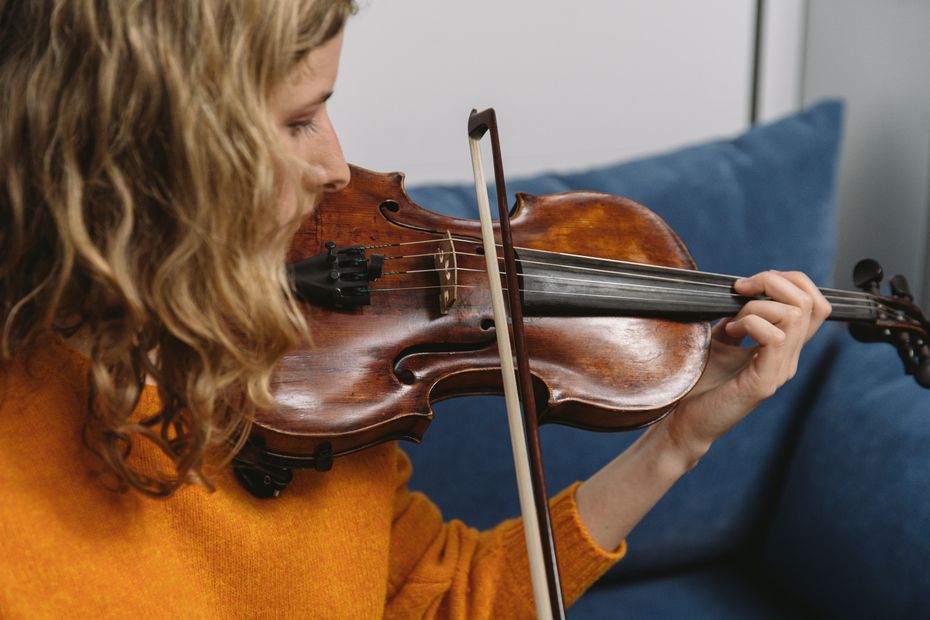
Introduction:
Build Strong Violin Skills from the Beginning
Learning the violin is an exciting journey that combines discipline, creativity, patience, and musical expression. However, beginners often discover that simply picking up the instrument and playing for long periods does not automatically lead to steady improvement. Effective practice requires structure, attention to technique, realistic goals, and a willingness to correct small mistakes before they become lasting habits. Following practical violin practice tips for beginners can make each practice session more productive while helping new players develop confidence and enjoy the learning process.
The violin is a highly sensitive instrument. Small changes in posture, bow angle, finger placement, or pressure can significantly affect sound quality. For this reason, beginners should focus on accuracy rather than speed. Trying to play difficult pieces too quickly may lead to poor intonation, uneven bowing, tension, and frustration. A thoughtful practice routine allows learners to strengthen essential skills gradually and understand how different aspects of violin playing work together.
One of the most important violin practice tips for beginners is to practice consistently instead of depending on occasional long sessions. A focused 20- or 30-minute session every day can often be more valuable than several hours of unfocused practice once a week. Regular repetition helps develop muscle memory, improves coordination between the left and right hands, and makes reading music increasingly natural. Consistency also gives learners an opportunity to identify weaknesses and address them before moving forward.
Beginners should also understand that practice is not the same as repeatedly playing a song from beginning to end. Productive practice involves breaking music into smaller sections, slowing down challenging passages, listening carefully to tone, and repeating difficult movements with purpose. Using a metronome, checking tuning, recording short practice sessions, and keeping simple notes can help students recognize progress more clearly.
A comfortable practice environment is equally important. Good lighting, a suitable music stand, proper instrument setup, and freedom from unnecessary distractions can improve concentration. Beginners should also avoid excessive physical tension. Relaxed shoulders, balanced posture, flexible fingers, and controlled breathing contribute to smoother playing and reduce unnecessary strain.
Ultimately, progress on the violin develops through patient, intelligent repetition. By applying reliable violin practice tips for beginners, students can create a strong technical foundation, improve musical awareness, and turn everyday practice into a rewarding process. The goal is not to become perfect immediately but to make small, measurable improvements that gradually lead to confident and expressive playing.
Create a Consistent Daily Practice Schedule
A regular routine is one of the most effective ways to improve violin skills. Beginners often practice enthusiastically for a few days and then stop for extended periods. This inconsistent pattern makes it difficult to build coordination and retain newly learned techniques.
Among the most practical violin practice tips for beginners is setting aside a specific time each day. Even 20 to 30 minutes of concentrated practice can produce meaningful improvement when maintained consistently. Choose a time when you are mentally alert and unlikely to be interrupted.
A simple beginner routine may include:
- 3–5 minutes for tuning and posture checks
- 5 minutes for open-string bowing
- 5–10 minutes for scales and finger exercises
- 10–15 minutes for songs or assigned pieces
- A few minutes for reviewing difficult sections
A structured routine prevents random practice and ensures that essential skills receive regular attention.
Start Every Session with Proper Tuning
Practicing on an out-of-tune violin can negatively affect ear training and intonation. Before playing scales, exercises, or songs, beginners should check the tuning of all four strings: G, D, A, and E.
Using a reliable tuner can help new players develop awareness of correct pitch. Over time, students should also practice listening carefully and recognizing when a note sounds sharp or flat. Ear training is an essential part of becoming an independent musician.
One of the most valuable violin practice tips for beginners is never to rush the tuning process. Correct tuning creates a dependable reference point for every note played afterward.
Focus on Posture Before Playing Faster
Good posture influences tone, bow control, intonation, and physical comfort. Beginners should check how they stand or sit before concentrating on difficult music.
The violin should feel stable without excessive pressure from the chin or shoulder. The shoulders should remain relaxed, and the left hand should move freely. A tense grip can limit finger movement and make shifting techniques more difficult later.
Similarly, the bow hold should remain flexible. Beginners often squeeze the bow because they fear dropping it. However, excessive tension can create a harsh tone and restrict smooth movement. Regular posture checks are among the most important violin practice tips for beginners because technical problems often begin with unnecessary tension.
Practice Slowly to Improve Accuracy
Speed should never come before control. When beginners play too quickly, they may repeat incorrect finger placements, poor rhythms, or uneven bow movements. Repeating mistakes can strengthen unwanted habits.
Slow practice gives the brain enough time to coordinate both hands accurately. Start difficult passages at a comfortable tempo and gradually increase speed only when the notes, rhythm, and bowing become reliable.
A metronome can be particularly useful. Begin at a slow tempo and increase the speed in small increments. If accuracy disappears, return to the previous tempo. This method creates controlled and sustainable progress.
Break Difficult Music into Small Sections
Playing an entire piece repeatedly is not always an efficient practice strategy. If only two measures are difficult, those measures deserve focused attention.
Divide challenging music into short phrases of two to four measures. Identify the exact source of the problem. Is the difficulty caused by:
- Incorrect finger placement?
- Complicated rhythm?
- String crossings?
- Bow direction?
- Fast note changes?
- Poor coordination?
Once the specific problem is identified, practice that element separately. This targeted method is one of the most effective violin practice tips for beginners because it turns a large challenge into smaller, manageable tasks.
Use Scales to Strengthen Intonation
Scales may appear simple, but they are fundamental to violin development. Regular scale practice improves finger placement, pitch recognition, bow distribution, rhythm, and coordination.
Beginners should start slowly and listen carefully to every note. Instead of playing scales mechanically, pay attention to whether each pitch is accurate. A tuner or drone note may help confirm intonation.
Practicing scales with different rhythms and bowing patterns can also make them more useful. As control improves, scales become an excellent preparation for more advanced repertoire.
Improve Bow Control with Open Strings
Open-string exercises allow beginners to concentrate entirely on the bow without worrying about left-hand finger placement. Practice drawing the bow slowly across each string while maintaining a consistent contact point.
Watch for:
- A straight bow path
- Even bow speed
- Controlled pressure
- Smooth direction changes
- Clear string crossings
Good bow control is essential for producing a pleasant tone. Therefore, open-string work should remain part of regular practice even after beginners start learning complete songs.
Record Your Practice Sessions
Many students do not hear their mistakes clearly while they are playing because they are concentrating on several tasks simultaneously. Recording a short section of practice can provide a more objective perspective.
Listen for uneven rhythm, scratchy tone, inaccurate notes, inconsistent dynamics, and unwanted pauses. Do not record every minute of every session. Instead, choose a specific scale, exercise, or musical passage and compare recordings over time.
Recording is one of the most practical violin practice tips for beginners because it encourages self-evaluation and helps students recognize genuine improvement.
Keep Practice Goals Small and Specific
A vague goal such as “practice violin today” offers little direction. A specific goal creates purpose.
For example, a beginner might aim to:
- Play a D major scale accurately three times
- Improve four difficult measures
- Maintain a straight bow on open strings
- Practice one rhythm with a metronome
- Memorize eight measures of a piece
Small goals make progress easier to measure. They also provide a sense of achievement, which can strengthen motivation.
Learn to Practice Without Constant Repetition
Repetition is necessary, but mindless repetition is rarely effective. Every repetition should have a purpose. Before playing a passage again, ask what needs improvement.
Perhaps the rhythm was inaccurate. Maybe the fourth finger was too low, the bow changed direction roughly, or a string crossing created unwanted noise. Identify one issue and focus on correcting it during the next attempt.
This approach transforms practice from simple repetition into active problem-solving. It is one of the most powerful violin practice tips for beginners who want to make better use of limited practice time.
Frequently Asked Questions
1. How long should a beginner practice violin every day?
Most beginners can benefit from 20 to 30 minutes of focused daily practice. Younger learners may prefer shorter sessions of 10 to 20 minutes. Consistency and concentration are generally more important than practicing for several hours without a clear plan.
2. What should a beginner practice first on the violin?
Beginners should usually start with tuning, posture, bow hold, open-string exercises, simple scales, finger placement, and easy musical pieces. Building strong fundamentals makes advanced techniques easier to learn later.
3. Is 30 minutes of violin practice enough?
Yes. Thirty minutes can be highly productive when the session is structured. Following effective violin practice tips for beginners allows students to divide time between warm-ups, scales, technique, repertoire, and problem areas.
4. Why does my violin sound scratchy during practice?
A scratchy sound may result from excessive bow pressure, incorrect bow speed, poor contact point, a tilted bow, or unnecessary physical tension. Slow open-string exercises can help improve tone quality and bow control.
5. How can beginners stay motivated to practice violin?
Set small goals, choose enjoyable music, track progress, record practice sessions, celebrate improvements, and work with supportive teachers or learning communities. Variety and measurable progress can make practice more rewarding.
Conclusion: Turn Consistent Practice into Lasting Progress
Learning the violin takes time, but an effective practice routine can make the journey more focused and enjoyable. The best violin practice tips for beginners emphasize consistency, patience, correct technique, active listening, and clear goals. Beginners should avoid rushing through exercises or measuring progress only by how quickly they can play a song. Strong musicianship develops through careful attention to posture, intonation, bow control, rhythm, and musical expression.
Daily practice does not need to be excessively long to be valuable. A short, well-organized session can produce meaningful results when each exercise has a clear purpose. By practicing slowly, dividing difficult passages into smaller sections, using scales, recording progress, and correcting mistakes thoughtfully, learners can build reliable skills step by step.
Most importantly, violin practice should remain a process of discovery. Celebrate small improvements, remain curious about sound, and continue refining technique. With persistence and the right approach, beginners can develop greater confidence, stronger musical habits, and a lifelong connection with the violin.
Take Your Violin Journey Further with Expert Support
Reading about violin practice tips for beginners is an excellent starting point, but meaningful progress becomes easier when you have access to the right learning environment, knowledgeable guidance, and a community that understands the challenges of violin playing. Whether you are holding a violin for the first time, trying to improve your bow control, working on intonation, or searching for more effective ways to organize daily practice, the right support can help you move forward with greater confidence.
Visit Violin Network to explore a dedicated platform created for violin learners, players, teachers, and enthusiasts. Instead of struggling alone with unanswered questions or uncertain practice methods, you can connect with valuable violin-focused resources and become part of a wider musical community.
The most effective violin practice tips for beginners become even more powerful when combined with expert insights, continued learning, and inspiration from others who share your interest in the instrument. Use the platform to deepen your understanding, strengthen your practice habits, discover new perspectives, and stay connected with the world of violin learning.
Do not allow confusion, inconsistent practice, or lack of direction to slow your musical development. Take an active step toward better technique, stronger confidence, and more rewarding practice sessions.
Start improving your violin journey today. Visit Violin Network, explore the available opportunities, connect with the violin community, and turn every practice session into a meaningful step toward becoming the musician you want to be.
Explore Violin Network to connect your practice routine with a dedicated violin-focused platform.
Kommentare (0)
🔒 Bitte melden Sie sich an, um zu kommentieren
Bitte melden Sie sich an, um zu kommentieren💭 Noch keine Kommentare. Seien Sie der Erste, der kommentiert!