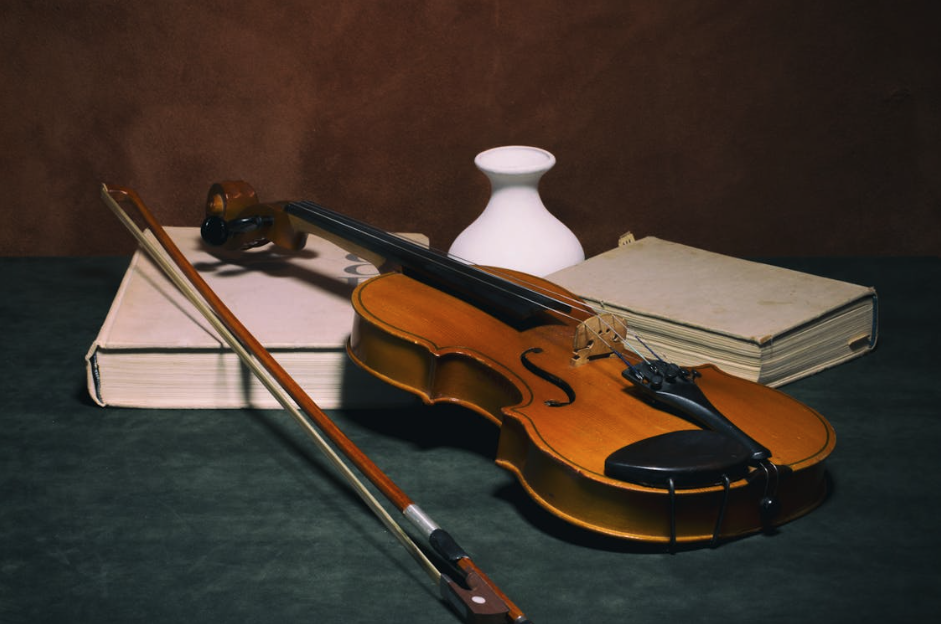
I'll never forget the look on my student's face when I told her the repair estimate. A cracked soundboard, warped bridge, and a seam opening — all from one afternoon in a hot car.
The truth is, most violin damage is completely preventable. After seeing every possible disaster in my workshop, here are the care habits that will save your instrument — and your wallet.
Learning to play the violin is an exciting journey, but owning a violin also comes with responsibility. Proper care is essential to maintain the instrument’s sound quality, appearance, and longevity. Many beginners focus only on practice and technique, but they often overlook the importance of instrument maintenance. Without proper care, even a high-quality violin can lose its tone, develop cracks, or require expensive repairs. That’s why understanding violin care and maintenance tips is just as important as learning how to play.
For professional servicing — bridge adjustments, sound post checks, or string changes — find a trusted repair shop or luthier in our directory. Regular check-ups from a pro can prevent most of the problems I see in my workshop.
A violin is a delicate instrument made of wood that reacts to temperature, humidity, dust, and handling. Small mistakes like not loosening the bow after playing, forgetting to clean rosin dust, or storing the violin incorrectly can cause long-term damage. Proper maintenance does not require professional skills; most violin care habits are simple daily routines that take only a few minutes. However, these small habits can make a huge difference in keeping your violin in excellent condition for years.
Whether you are a beginner, intermediate, or professional player, following the right violin care and maintenance tips will help preserve your instrument’s sound quality and structural integrity. Regular cleaning, proper storage, correct bow care, and string maintenance are all essential parts of violin ownership. Taking care of your violin also helps you avoid costly repairs and ensures your instrument always performs at its best.
In this guide, you will learn the most important violin care and maintenance tips that every violin player should follow. These tips are simple, practical, and suitable for players of all levels. By developing good violin care habits, you can protect your instrument, improve its lifespan, and enjoy better sound quality every time you play.
- Clean Your Violin After Every Use
One of the most important violin care and maintenance tips is cleaning your violin after each practice session. Rosin dust from the bow collects on the strings and body of the violin, and if not cleaned regularly, it can damage the varnish and affect sound quality. Use a soft, dry microfiber cloth to gently wipe the strings, fingerboard, and body of the violin. Never use water, alcohol, or household cleaners, as they can damage the instrument’s finish.
Cleaning your violin regularly keeps it looking new and ensures better sound quality over time. This simple habit takes less than a minute but makes a big difference in long-term violin maintenance.
- Always Loosen the Bow Hair After Playing
Another essential violin care and maintenance tips rule is to loosen the bow hair after every practice session. When the bow hair remains tight for long periods, it can lose its elasticity and damage the bow stick. Always turn the screw at the end of the bow to loosen the hair once you finish playing.
However, do not loosen it too much—just enough so the hair is relaxed. Proper bow care helps maintain good bow control and extends the life of the bow hair.
- Store Your Violin Properly
Proper storage is one of the most important violin care and maintenance tips that many players ignore. Always store your violin in a hard case when not in use. This protects it from dust, temperature changes, and accidental damage.
Avoid leaving your violin in very hot or very cold places, such as inside a car or near a window. Extreme temperature and humidity can cause cracks in the wood or loosen the glue joints. Keeping silica gel or a humidifier in the case can help maintain proper humidity levels.
- Take Care of the Violin Strings
Strings play a major role in sound quality, so string care is an important part of violin care and maintenance tips. Always wipe the strings after playing to remove rosin dust and sweat. Dirty strings lose their tone and may break more easily.
Violin strings should typically be replaced every 6–12 months, depending on how often you play. Old strings sound dull and may not stay in tune properly, so replacing them regularly helps maintain good sound quality.
- Handle Your Violin Carefully
Handling your instrument properly is one of the simplest violin care and maintenance tips but also one of the most important. Always hold the violin by the neck and avoid touching the strings or the bow hair with your fingers. Oils and dirt from your hands can damage the strings and bow hair.
Also, make sure the violin case is securely closed before carrying it. Many accidents happen because cases are not properly locked.
- Schedule Regular Professional Maintenance
Even if you follow all the violin care and maintenance tips, your instrument still needs occasional professional maintenance. Visit a luthier once a year to check the bridge, soundpost, fingerboard, and overall condition of the violin. A professional can spot small problems before they become expensive repairs.
Regular maintenance ensures your violin stays in excellent playing condition and maintains its sound quality for many years.
- Keep Your Violin Away from Humidity and Temperature Changes
One of the most important violin care and maintenance tips is protecting your instrument from extreme temperature and humidity. Violins are made of wood, and wood expands or contracts depending on the environment. Too much humidity can cause the wood to swell, while very dry conditions can cause cracks.
Avoid placing your violin near heaters, air conditioners, direct sunlight, or open windows. Ideally, violins should be kept in an environment with around 40–60% humidity. Using a case humidifier during dry seasons can help protect your instrument from damage and keep the wood stable.
- Check the Bridge Position Regularly
The bridge is a very important part of the violin, and checking it regularly is one of the most overlooked violin care and maintenance tips. Over time, tuning the strings can pull the bridge forward, causing it to tilt. If the bridge leans too much, it may warp or even break.
The bridge should stand straight and perpendicular to the violin body. If you notice it leaning, gently adjust it or ask a teacher or luthier for help. Never force the bridge too hard, as it can damage the violin.
- Replace Bow Hair When Needed
Many players forget that bow hair also needs maintenance. Another important violin care and maintenance tips recommendation is to rehair your bow regularly. Bow hair wears out over time, becomes dirty, and stops gripping the strings properly.
If you notice that the bow is not producing good sound, even after applying rosin, it may be time for new bow hair. Most players rehair their bow every 6–12 months, depending on how often they play. Regular bow maintenance helps maintain sound quality and playing control.
- Final Thoughts on Violin Care and Maintenance
Taking proper care of your instrument is essential if you want it to last for many years and continue producing a beautiful sound. By following simple violin care and maintenance tips, you can protect your violin from damage, reduce repair costs, and maintain its tone quality. Small habits like cleaning your violin after playing, loosening the bow, storing it properly, and replacing strings on time can make a huge difference in the life of your instrument.
Remember, a violin is not just a musical instrument; it is a delicate piece of craftsmanship that requires attention and care. Whether you are a beginner or an experienced player, maintaining your instrument should be part of your daily routine. By consistently following these violin care and maintenance tips, you will ensure that your violin stays in excellent condition and continues to produce beautiful music for years to come.
Start Your Journey with the Best Violin Resources Today
If you are serious about learning the violin and keeping your instrument in perfect condition, following the right violin care and maintenance tips is just the beginning. To truly grow as a violin player, you need the right guidance, lessons, resources, and expert advice all in one place. That’s exactly what you’ll find at Violinnetwork.com.
Whether you are a complete beginner, an intermediate player, or someone returning to the violin after many years, Violinnetwork provides helpful guides, expert articles, violin lessons, gear recommendations, and step-by-step learning resources designed to help you improve faster and play better. Along with learning techniques and lessons, you’ll also find detailed violin care and maintenance tips to help you protect your instrument, improve sound quality, and avoid costly repairs.
Your violin is an investment. Don’t rely on random information—learn from reliable violin resources that are created specifically for violin players.
Visit https://violinnetwork.com/ today and explore expert guides, lessons, and professional violin care and maintenance tips that will help you become a better violinist while keeping your instrument in perfect condition for years to come.
🎻 Schedule a Professional Check-Up
Find a luthier or repair shop near you for annual servicing, string changes, and preventive maintenance.
Find a Repair Shop →
Kommentare (0)
🔒 Bitte melden Sie sich an, um zu kommentieren
Bitte melden Sie sich an, um zu kommentieren💭 Noch keine Kommentare. Seien Sie der Erste, der kommentiert!